This past fall 2023, I had the privilege of conserving two objects made of materials that were made to fool the eye: a red and yellow wooden bowl (2023.031.001) and a mahjong set (2011.024.004). This work was part of a graduate conservation course at New York University, taught by Pamela Hatchfield.
Collections馆藏Collections馆藏Collections馆藏Collections馆藏Collections馆藏Collections馆藏Collections馆藏Collections馆藏Collections馆藏Collections馆藏Collections馆藏Collections馆藏Collections馆藏Collections馆藏Collections馆藏Collections馆藏Collections馆藏Collections馆藏Collections馆藏Collections馆藏Collections馆藏Collections馆藏Collections馆藏Collections馆藏Collections馆藏Collections馆藏Collections馆藏Collections馆藏Collections馆藏Collections馆藏Collections馆藏Collections馆藏Collections馆藏Collections馆藏Collections馆藏Collections馆藏Collections馆藏Collections馆藏Collections馆藏Collections馆藏Collections馆藏Collections馆藏Collections馆藏Collections馆藏Collections馆藏Collections馆藏Collections馆藏Collections馆藏Collections馆藏Collections馆藏Collections馆藏Collections馆藏Collections馆藏Collections馆藏Collections馆藏Collections馆藏Collections馆藏Collections馆藏Collections馆藏Collections馆藏Collections馆藏Collections馆藏Collections馆藏Collections馆藏
Made to Fool the Eye: Conserving Two Objects in the MOCA Collection by Adrian Hernandez
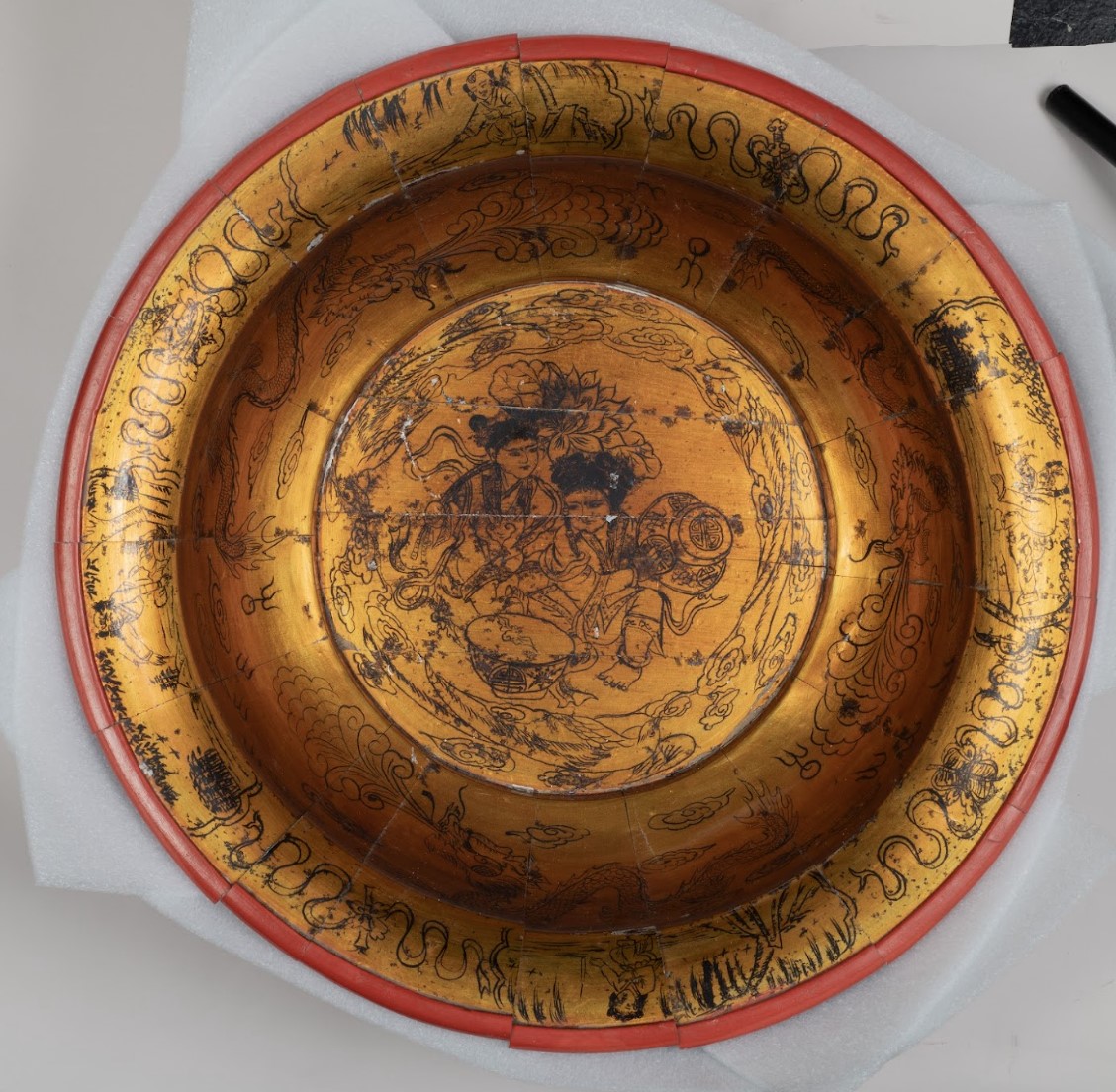
Figure 1. Red and yellow wooden bowl. MOCA Collection.
The red and yellow wooden bowl (Figure 1) was elegantly constructed. There are 17 individual vertical wood pieces that come together to make this circular bowl, and they are only held together with two wires wrapped and tightened around the exterior. The exterior surface is red and the interior surface is translucent, reflective, and yellow. The interior also has drawings of people, animals, and flowers drawn with black ink. There is no information about the object prior to joining the MOCA collection. It could have been decorative or used as a container to store items.
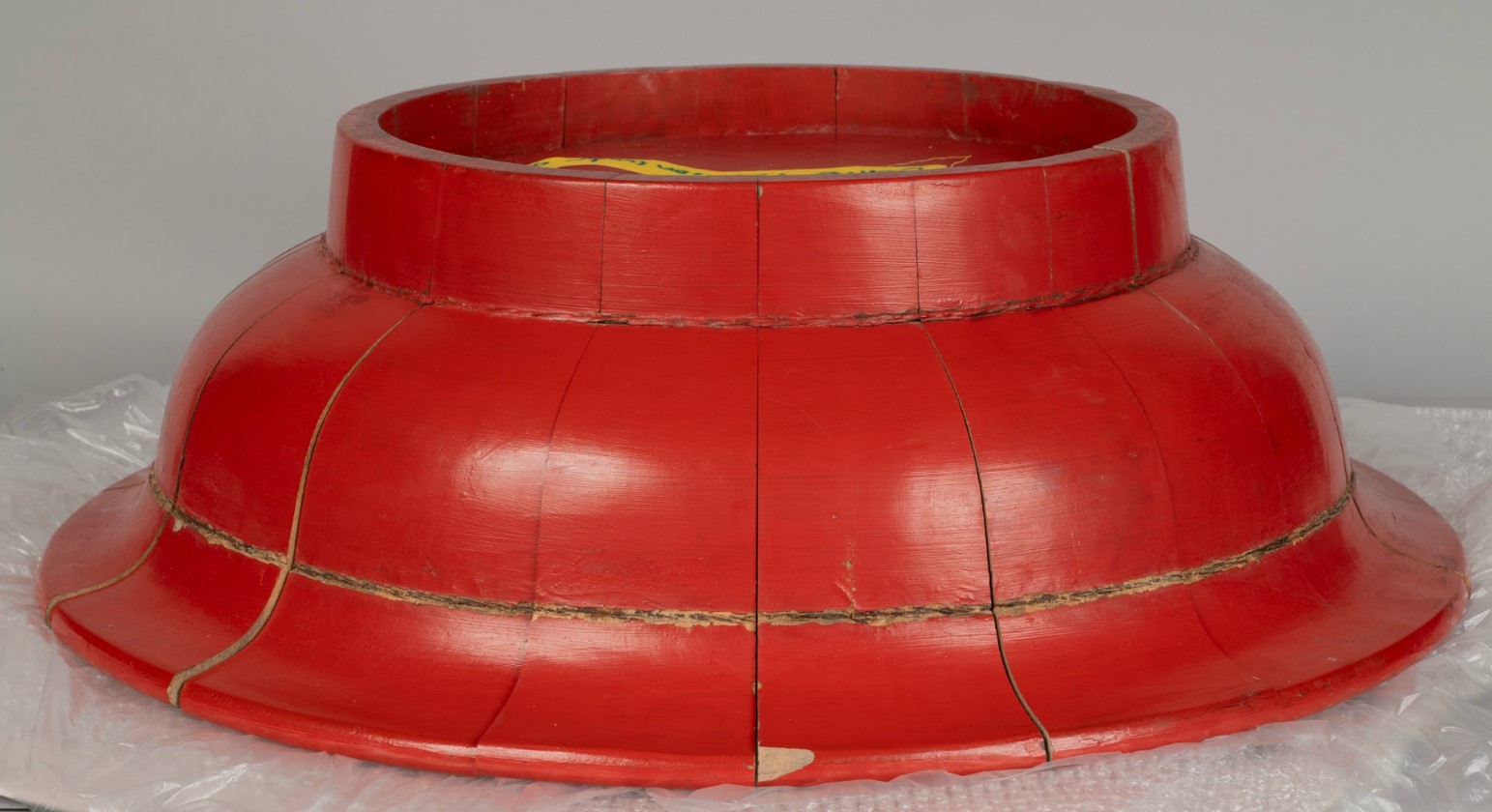
Figure 2. Side view of bowl before treatment; the top wire (in bottom half of image) is detached.
Unfortunately, the bowl suffered a series of damages which may have occurred before it was collected by MOCA or as a result of the 2020 fire. The top wire detached which made the entire bowl structurally unstable (Figure 2). The wire may have detached because the wood pieces appear to have warped, and likely suffered deformations due to changes in the humidity of the bowl’s storage environment. Because of the movement of the wood, a few of the pieces had vertical cracks and the surfaces between each of the pieces were flaking. The interior and exterior surfaces also had chips and losses.
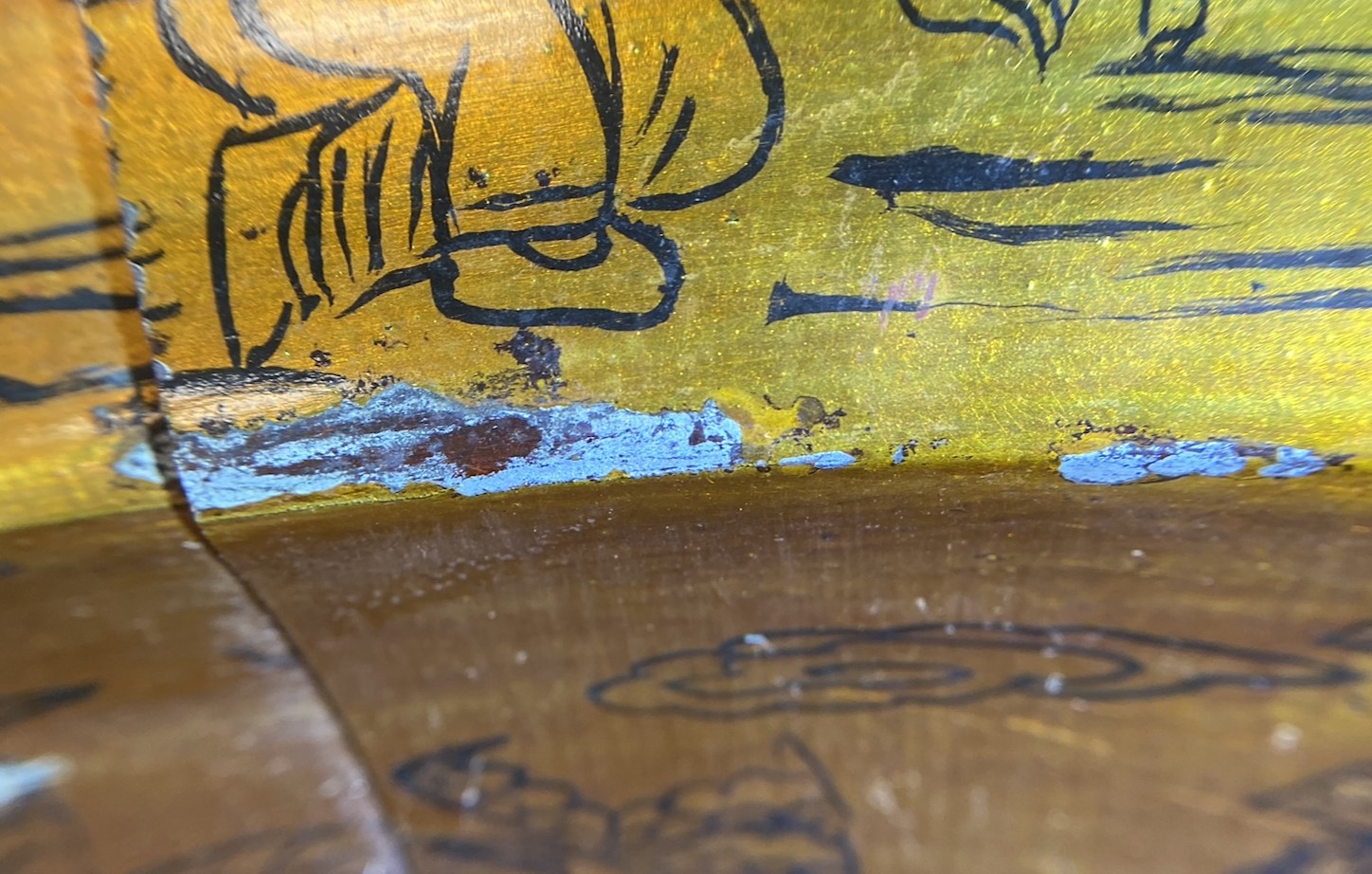
Figure 3. Detail of losses in interior showing layer structure, before treatment.
These damages revealed information about how the bowl was constructed. With the wood pieces shifted out of place, I was able to see that there was no adhesive between the vertical pieces. (Though, there are an additional three wood pieces that constitute the base which are adhered together.) There are hidden ridges across the bowl that accommodate the two external wires and the base on the interior. I was also able to see the layer structure of the interior (Figure 3) and exterior surfaces. The interior had a black layer, a translucent adhesive layer, a white metal layer, a black ink layer, and a transparent yellow layer. The exterior surface had a black layer and a red layer on top of that.
I completed some scientific analysis on the interior and identified the white metal as aluminum. I also found that the black ink areas contain manganese which probably means that the black colorant is a manganese-oxide. The yellow color of the interior surface might trick the viewer into thinking it was made of gold, but I did not detect any gold anywhere on the object. Instead, I identified what seemed to be an amber varnish, which is probably what gives the interior its yellow color. It likely took a great amount of skill to be able to imitate a gilded surface with these other materials. The exterior red surface was found to contain iron, so the red colorant is likely an iron oxide. I did not identify any lacquer in my analysis on the exterior, which leads me to believe that it is likely painted. The red paint, however, would probably trick the viewer into thinking that it is a red lacquer.
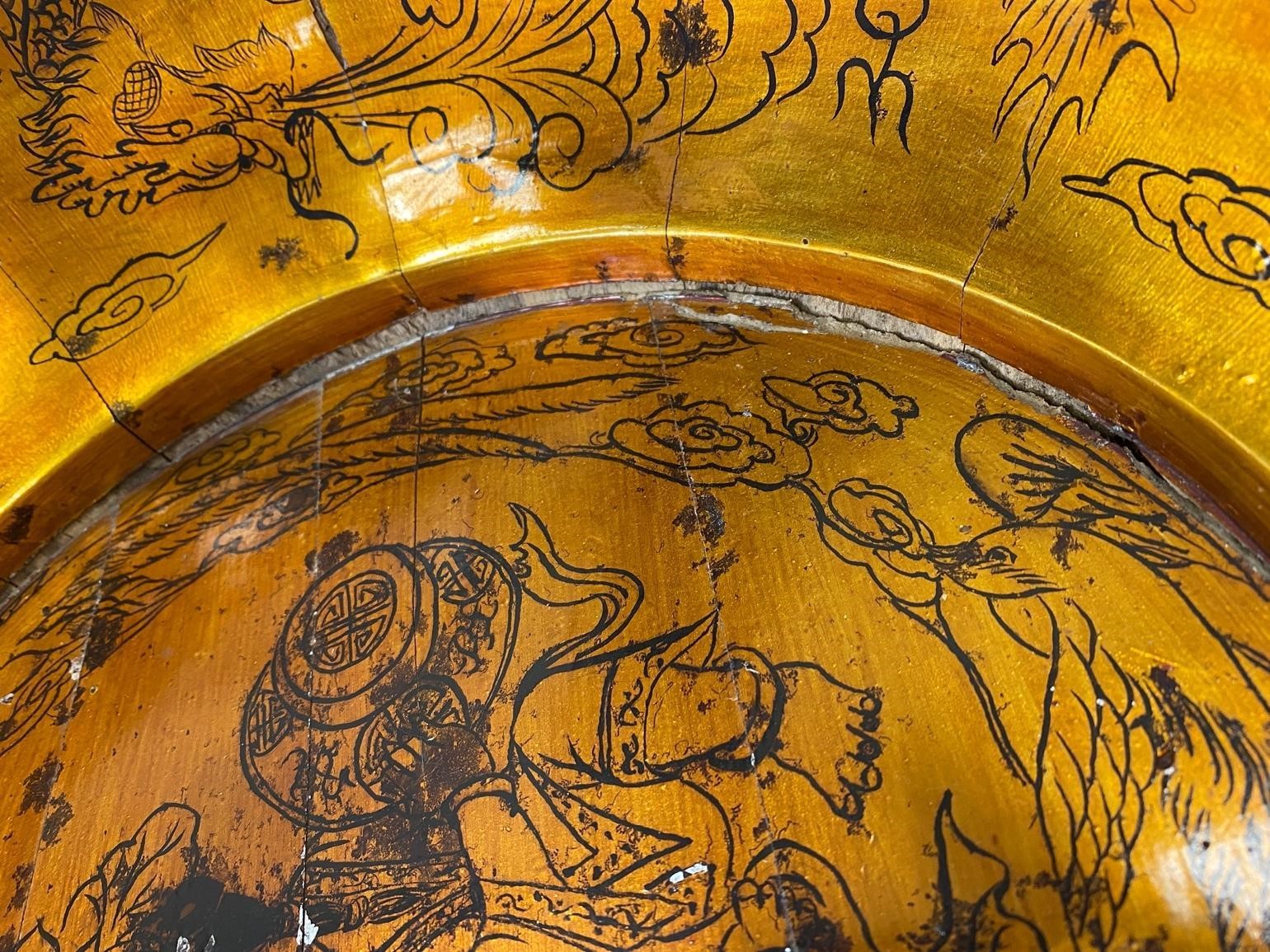
Figure 4. Detail of loose base, before treatment.
The first step in the conservation treatment was to stabilize the object. I created a facsimile of the wire to wrap around the top of the bowl and replace the detached wire. I had to slightly adjust all of the wood pieces so that they fit better and then tightened the wire facsimile to keep them in place. Still, the base did not perfectly fit in place because the wood pieces have deformed over time (Figure 4). I had to use an appropriate adhesive and fill material to secure the base to the vertical wood pieces. After stabilizing the object, I felt comfortable cleaning the surface of the object to remove dust and grime. Then, I addressed the losses on the interior by filling them, applying a reversible barrier layer and inpainting them to make them less distracting. This conservation treatment was a beneficial learning opportunity not only in terms of improving my conservation skills, but also in gaining a deeper appreciation for the sophisticated construction of the bowl.
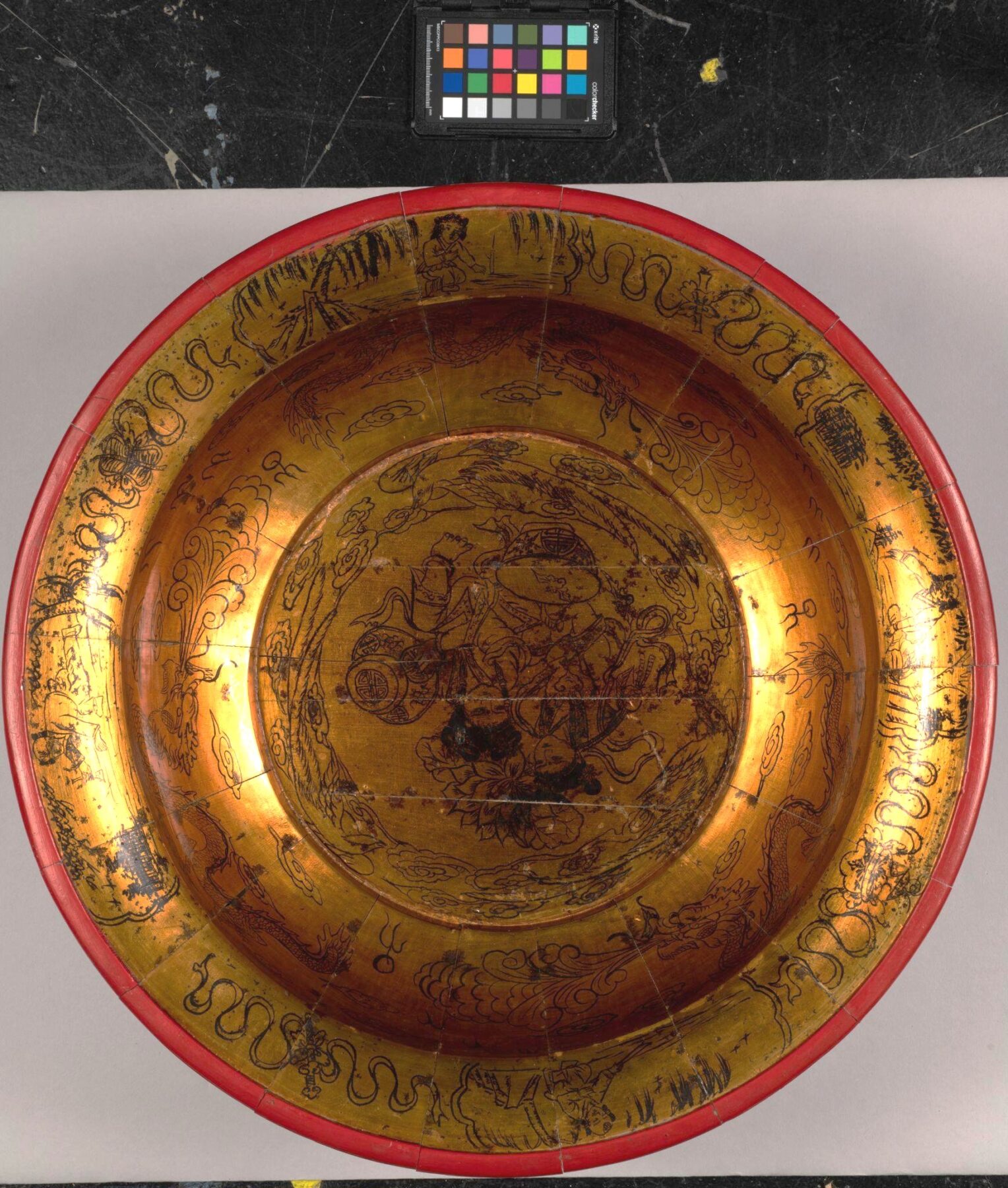
Figure 5. Red and yellow wooden bowl, top view, after treatment.
Mahjong set
The mahjong set (Figure 6) is part of the Marcella Dear collection. Marcella Dear is a fifth generation Chinese American in New York City and her family had a family museum inside their home throughout their time here(MOCA has many recorded oral history interviews with Marcella Dear. This is an example). Many of the items from the family museum were donated to MOCA. Her family also owned two businesses that played a vital role in Chinatown.
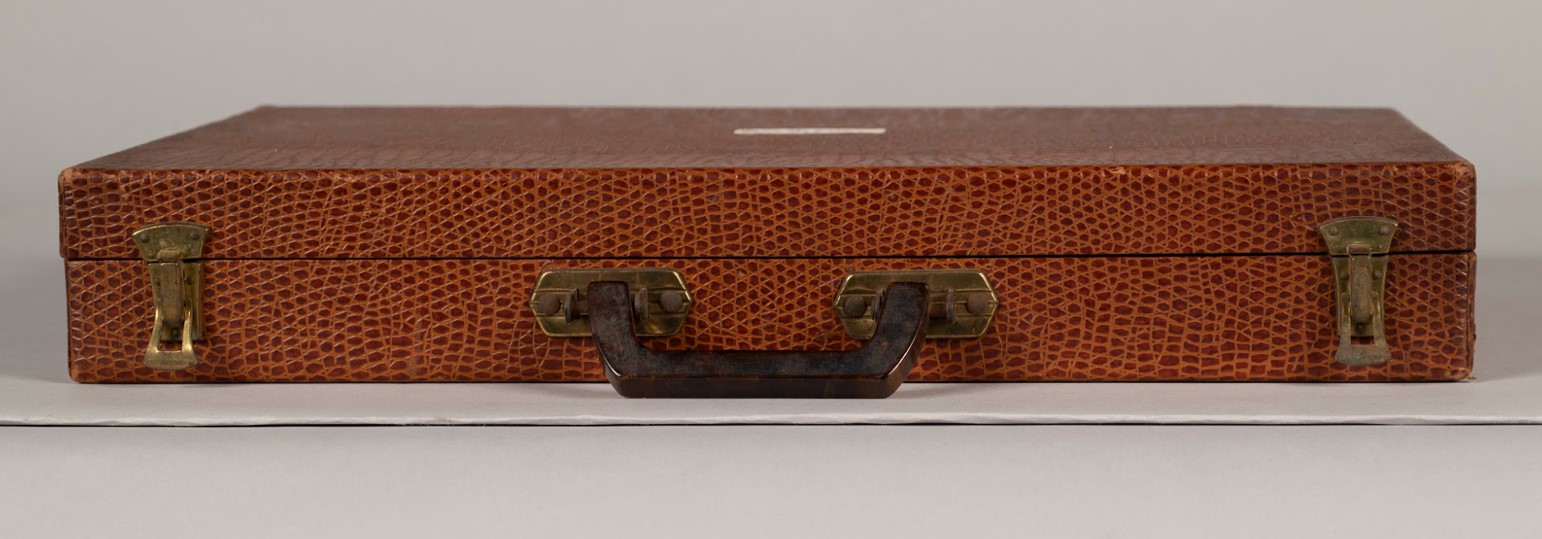
Figure 6. Front view of mahjong set case, before treatment.
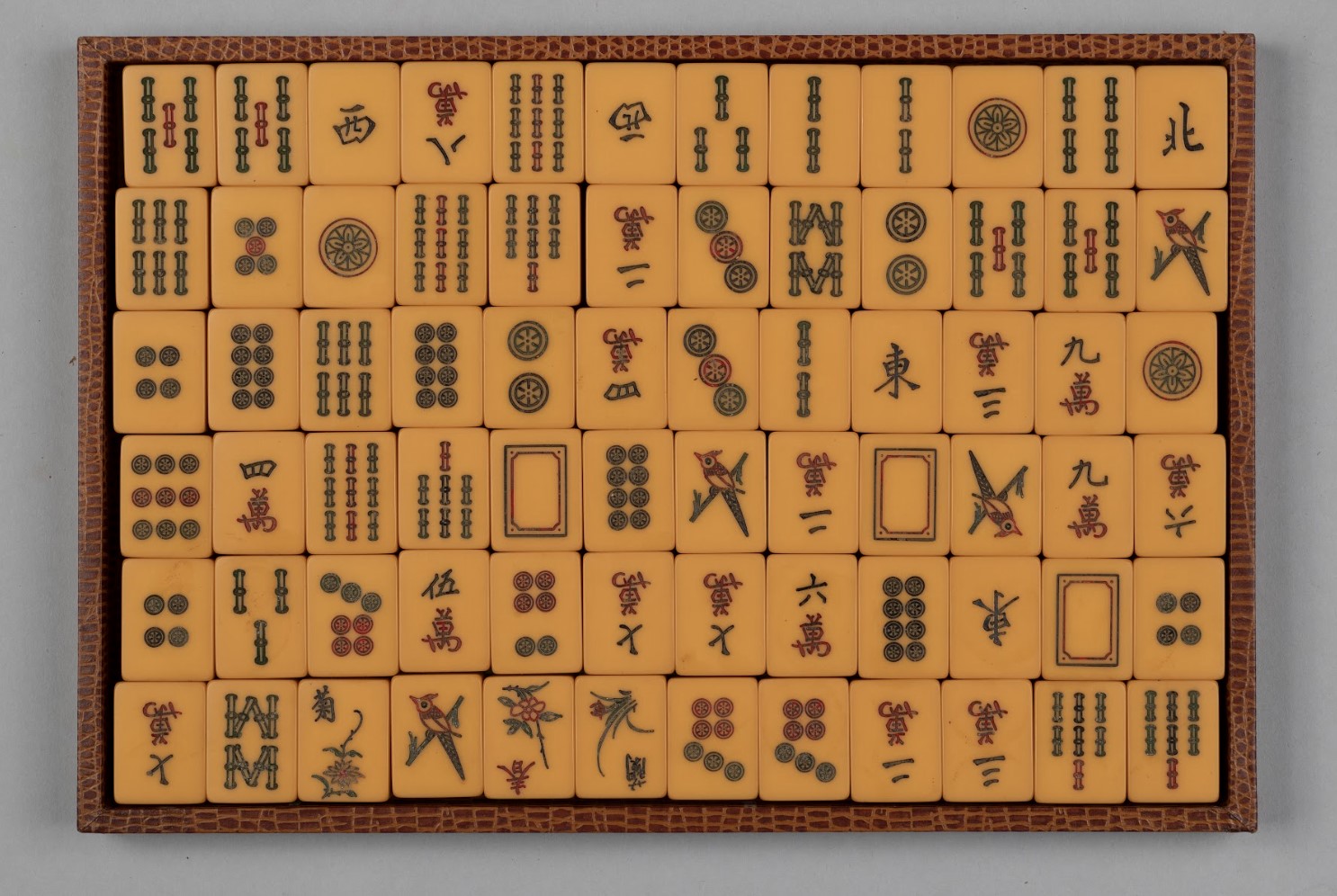
Figure 7. Mahjong tiles in a detachable tray, before treatment.
This mahjong set has mahjong tiles (Figure 7), two dice, and several circular discs that are spread across three trays in a case. The mahjong tiles were probably white at first and made to look like ivory, but they have darkened and yellowed over time because they are actually made of plastic and this has aged. I performed scientific analysis on the tiles and the data suggest that they are a phenol formaldehyde, which is commonly known by the commercial product name “Bakelite.” The game set case has a cover that looks like reptile skin, but close inspection reveals that it is actually made from a textured paper (Figure 8). It is a very brittle yellow paper with red-brown patterns. The paper is attached to a dense gray paper board that is only visible where there are missing pieces of the textured paper cover.
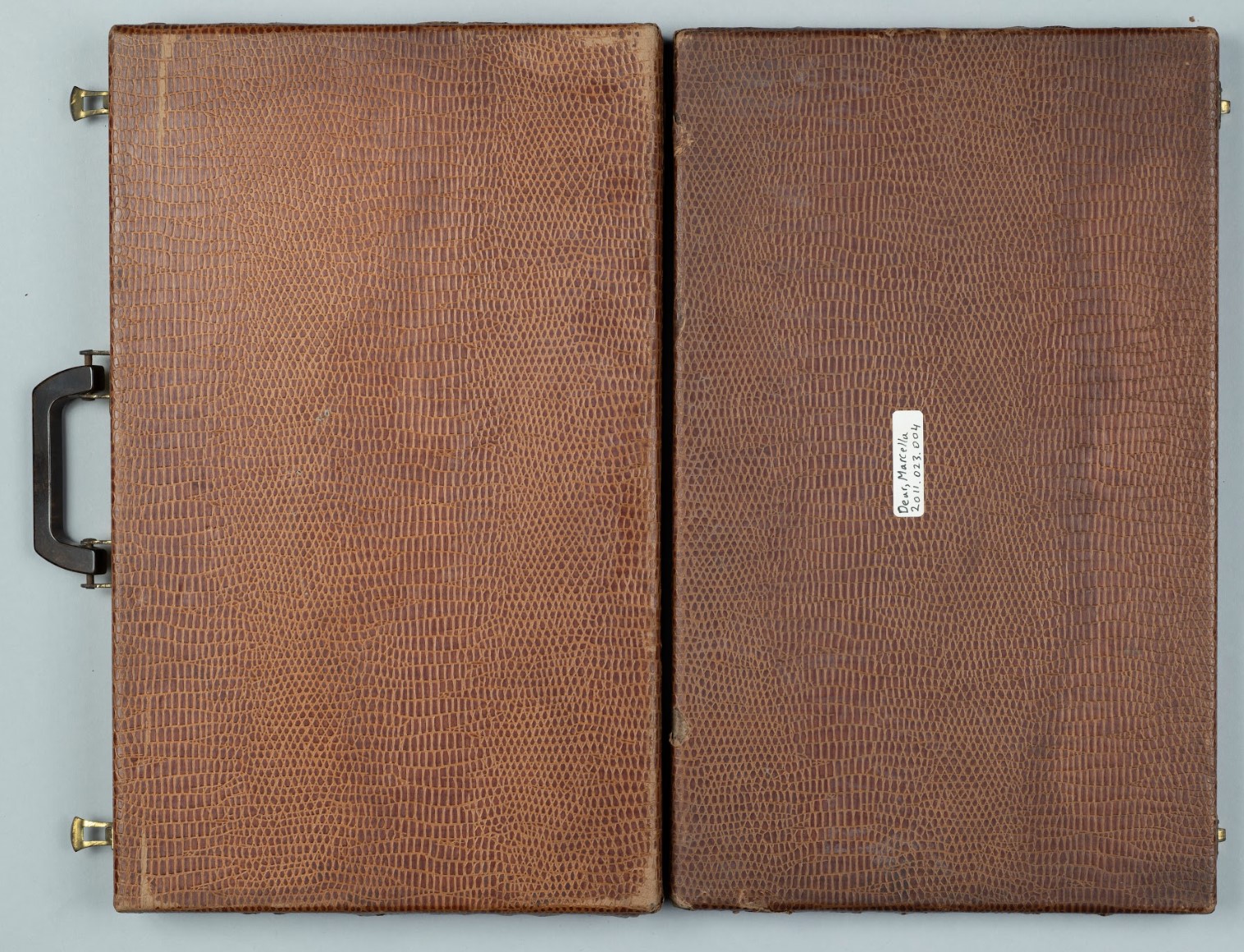
Figure 8. Exterior of mahjong set case, before treatment.
The object was damaged by the water used to extinguish the fire at MOCA, and you can still see a tideline going across the paper. The moisture and its evaporation made the textured paper warp and probably removed some of the adhesive that was keeping the paper in place. As it dried, the paper became very brittle and it cracked and tore in a few places (Figure 9). Some pieces detached completely. There is also blanching towards the back of the case which was also likely caused by the water.
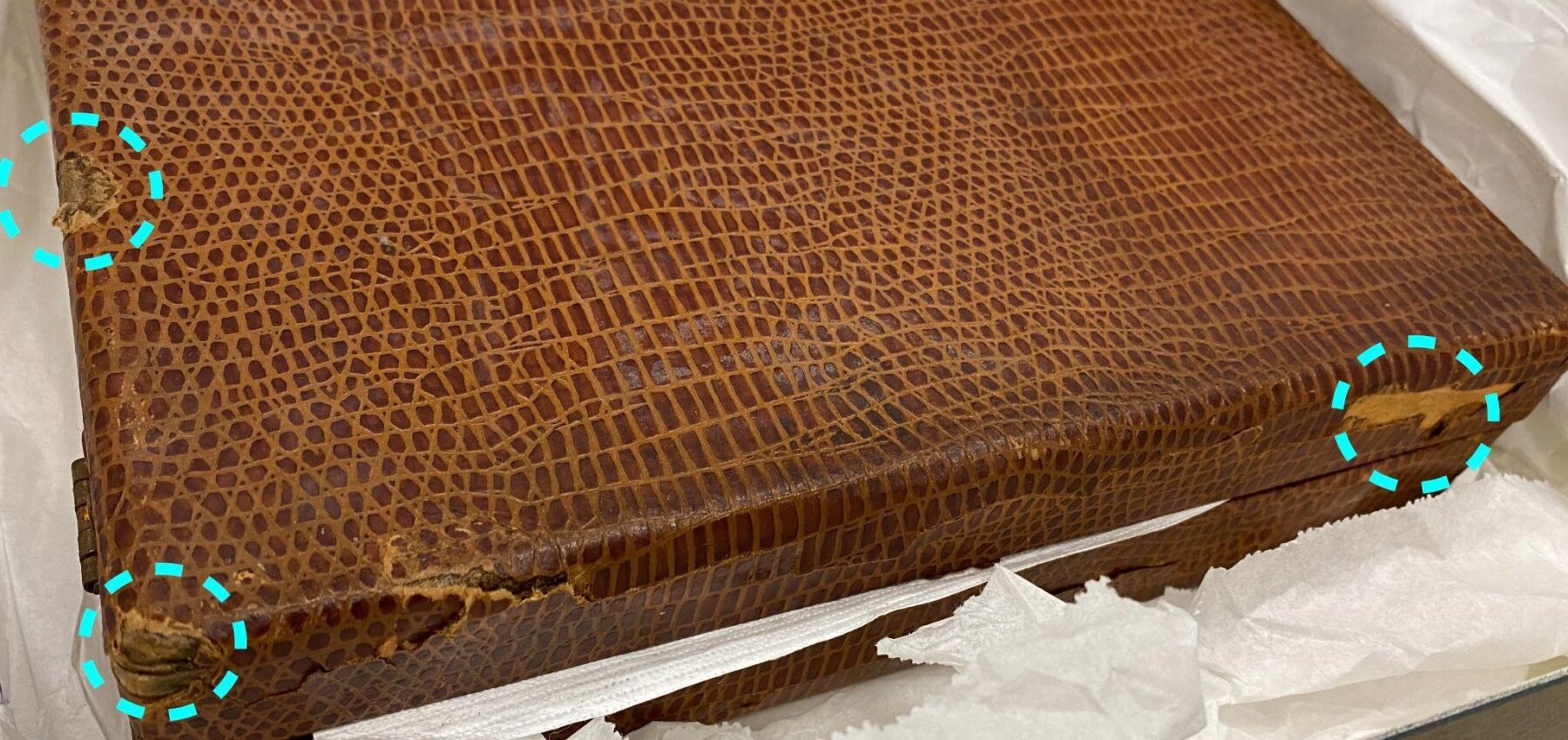
Figure 9. Mahjong set case exterior with cracks and losses in the textured paper, before treatment.
After gently cleaning the surfaces to remove loose dust and dirt, my main task was to stabilize this faux-reptile skin cover. I adhered the loose areas of the paper to the board. I then proceeded to perform fills in areas where there were losses using an appropriate tissue paper that was tinted to match the surrounding surfaces. I also reduced the blanching on the exterior and gently cleaned the plastic pieces. We decided to leave the tideline, as a permanent mark of the fire. I did not try to reduce it.
MOCA has several mahjong sets in the collection and a few of them come from Marcella Dear. Each one looks a little bit different and likely carries its own unique stories. Instead of washing away like the ephemeral tides of a sea shore, the tideline across this mahjong case will forever mark the fire, and that is one of the things that makes this object so special in the collection.
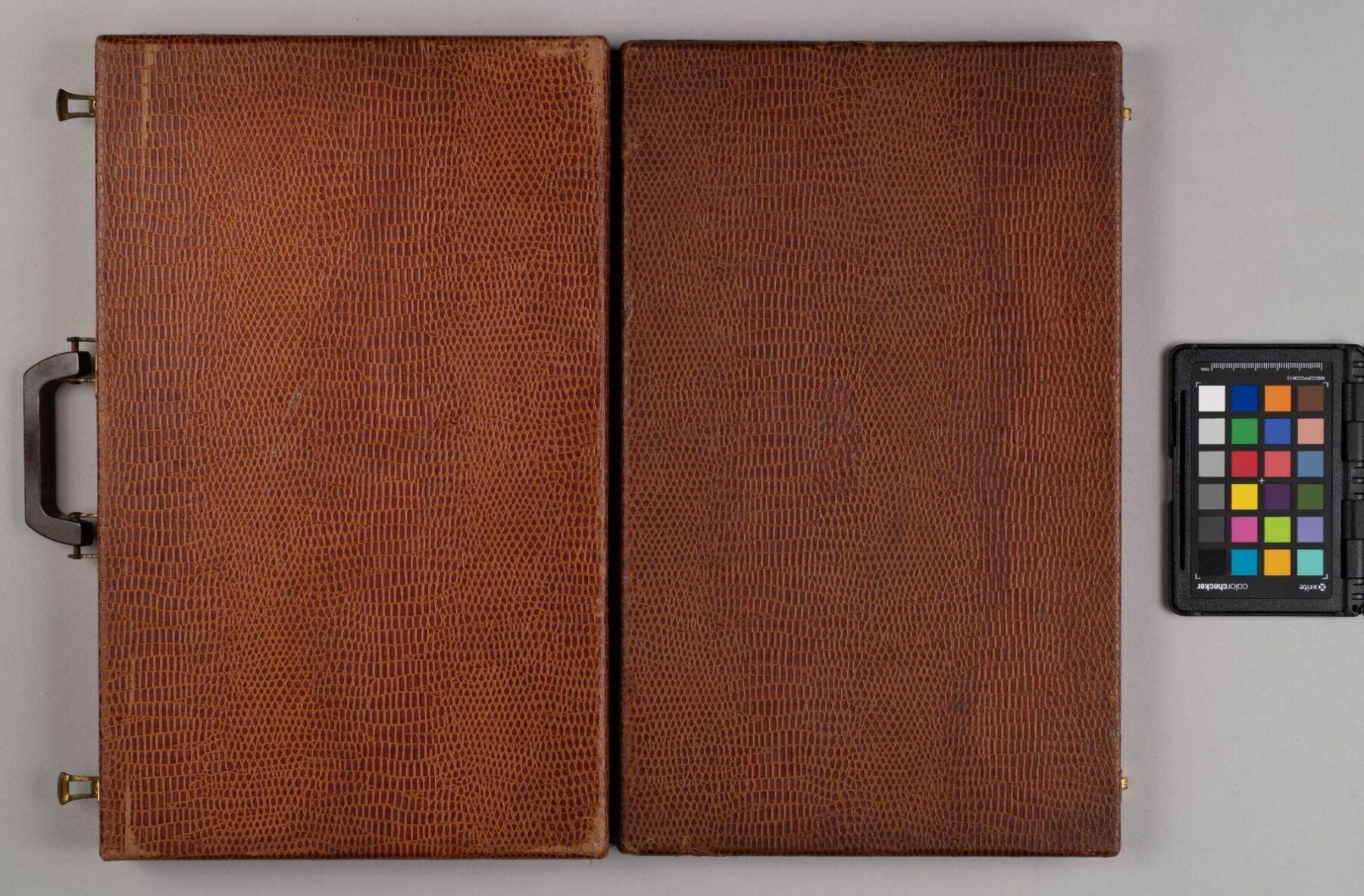
Figure 10. Mahjong set case exterior, after treatment.