Collections馆藏Collections馆藏Collections馆藏Collections馆藏Collections馆藏Collections馆藏Collections馆藏Collections馆藏Collections馆藏Collections馆藏Collections馆藏Collections馆藏Collections馆藏Collections馆藏Collections馆藏Collections馆藏Collections馆藏Collections馆藏Collections馆藏Collections馆藏Collections馆藏Collections馆藏Collections馆藏Collections馆藏Collections馆藏Collections馆藏Collections馆藏Collections馆藏Collections馆藏Collections馆藏Collections馆藏Collections馆藏Collections馆藏Collections馆藏Collections馆藏Collections馆藏Collections馆藏Collections馆藏Collections馆藏Collections馆藏Collections馆藏Collections馆藏Collections馆藏Collections馆藏Collections馆藏Collections馆藏Collections馆藏Collections馆藏Collections馆藏Collections馆藏Collections馆藏Collections馆藏Collections馆藏Collections馆藏Collections馆藏Collections馆藏Collections馆藏Collections馆藏Collections馆藏Collections馆藏Collections馆藏Collections馆藏Collections馆藏Collections馆藏

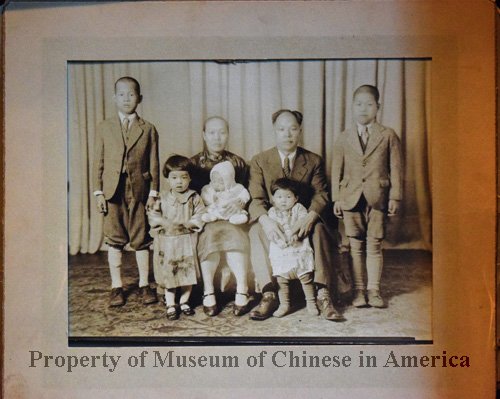
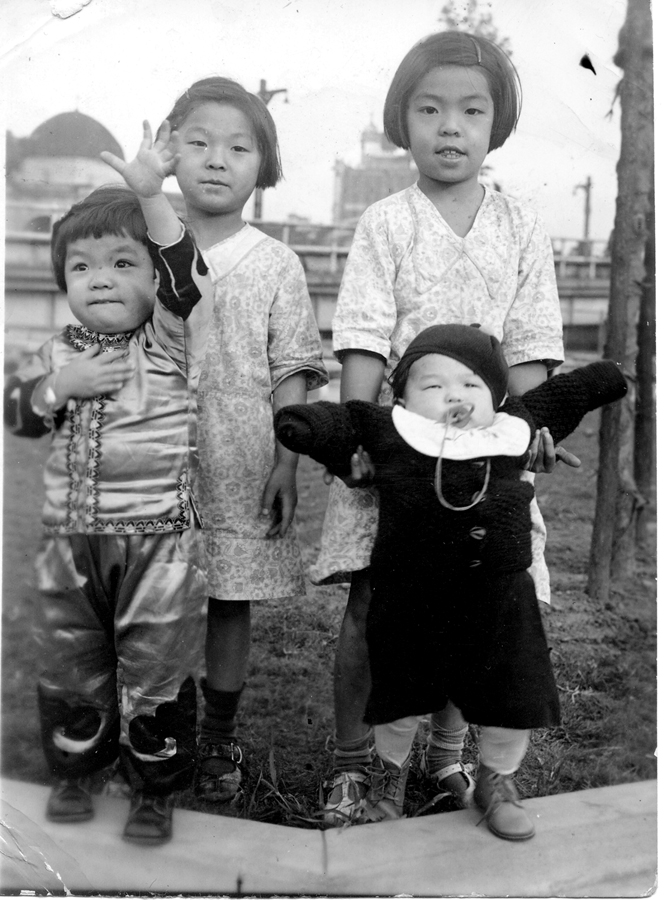
The Lui children numbered eight, and during the 1930s, theirs was one of the largest and few Chinese families living in the still largely bachelor society of New York Chinatown. Their father, surnamed Wan, bought the papers of Lun Yuk Lui, a fellow villager from Hoksan (one of the five counties in the Pearl River Delta), and immigrated to the United States in the late 1920s with his wife and two sons of the man whose papers he had purchased. Wan’s young and growing family eventually settled into a tenement apartment at 63 Chrystie Street, then considered the neighborhood’s periphery.

The Lui children rarely saw their father, who routinely worked 18 hours a day at a grocery store and restaurant to support the large family. As was typical in Chinese families, the older kids became responsible for their younger siblings. Younger brother, Harold, remembers eldest sister Fannie giving her little brothers and sisters their first allowance of 5 cents when she got her first job, enabling them to buy candy.

Though their parents were busy and money was surely tight in Depression-era Chinatown, the Luis—Fannie, Edward, Ronald, Effie, Ralph, Anna, Alice, and Harold—remember always understanding what it was to be part of a community. Chinese fictive “uncles” helped keep an eye on them if they were playing outside their stores and volunteered to take them to Coney Island, Chinese movies, and other fun outings throughout the city on their days off.

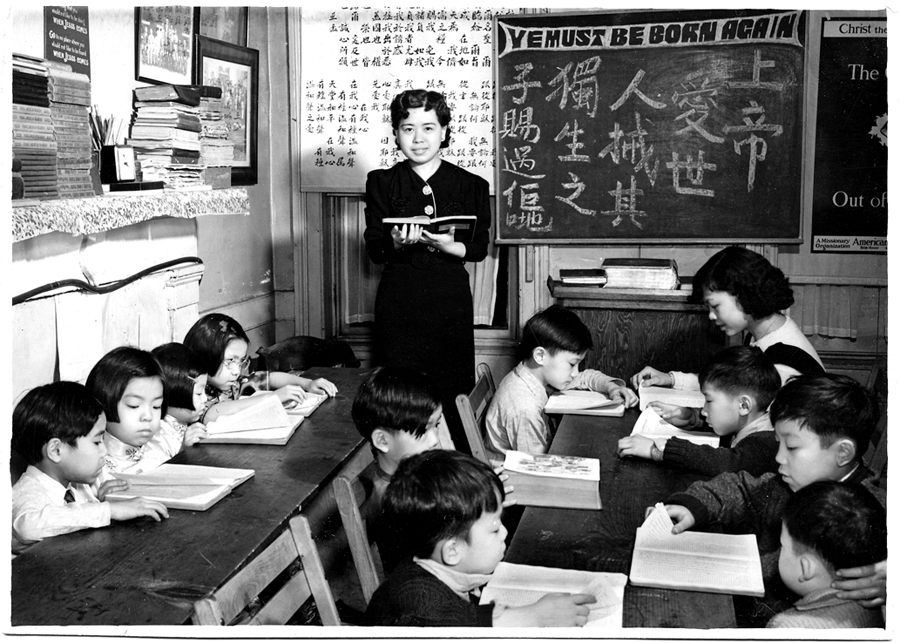
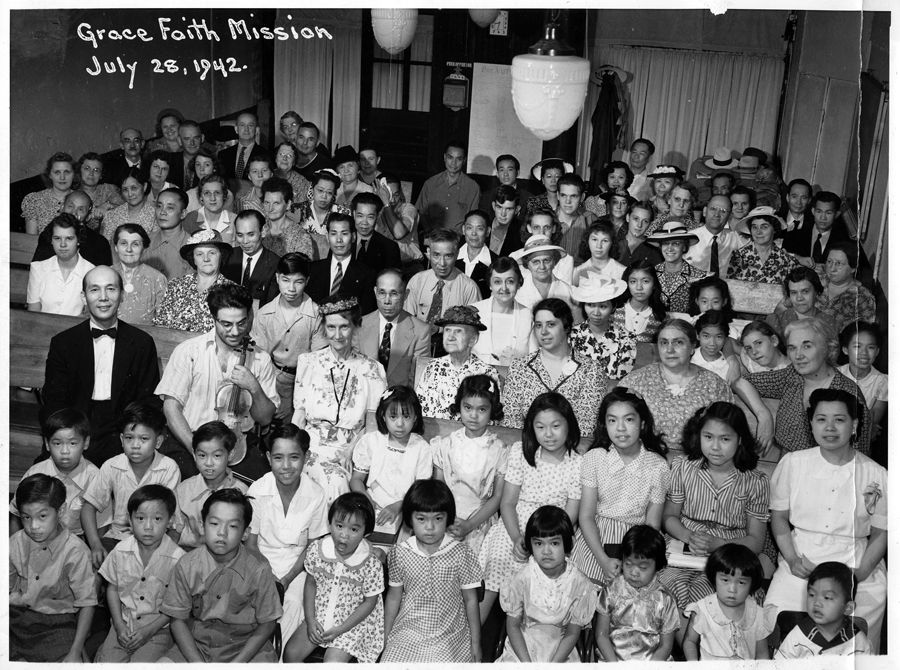
The Lui children were also founding members of the Grace Faith Mission. Of Chinatown’s three churches, it was unique in serving an English-speaking congregation. Pastor John Lee Young, who started the church in his apartment in 1934, lived right next door, and the Lui children would go to attend Sunday school and Chinese school. Like other Chinese ministers in those days, Rev. Young served almost as a social worker. He performed translation work for Chinese-speaking bachelors, visited Chinese in jail, took sick children to the doctor, and introduced the Lui children to church services of diverse communities across the city, including congregations in the Bronx and Harlem. The selected family photographs document some of these rich childhood memories.

To learn more about the Lui family during World War II and beyond, listen to their MOCA oral history:

http://ohms.mocanyc.org/viewer/viewer.php?cachefile=2016_033_004_1593056370.xml
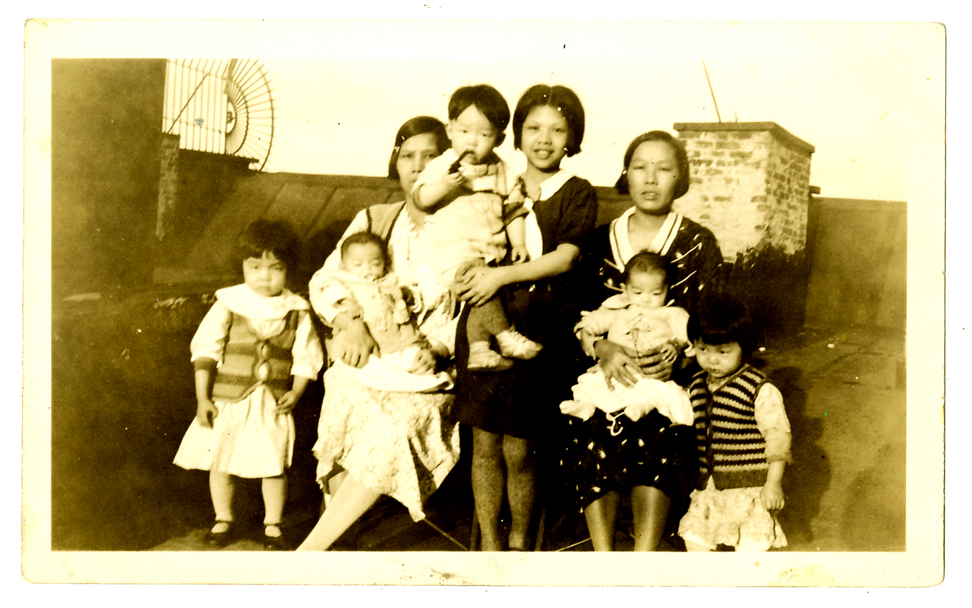
2004.080.002 Fannie Lui with family on the rooftop of their apartment on Chrystie Street in 1933. From left to right: Fannie, her brother, her godmother, her brother, unknown, her mother holding her little brother, and Effie. Courtesy of Fannie Lui, Museum of Chinese in America (MOCA) Collection.
2016.033.004 Lui family portrait. Courtesy of Fannie Lui, Museum of Chinese in America (MOCA) Collection.
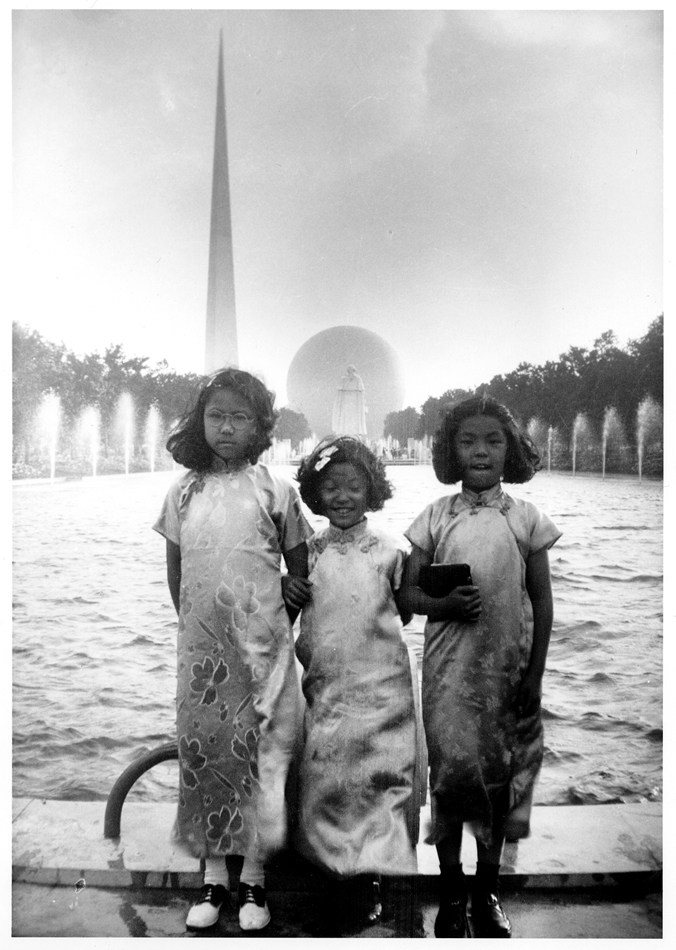
2004.080.013 Fannie Lui, Effie Lui, and Elizabeth Ng wearing qipaos and standing in front of a fountain at the World's Fair in Flushing Meadows-Corona Park in 1939. Courtesy of Fannie Lui, Museum of Chinese in America (MOCA) Collection.
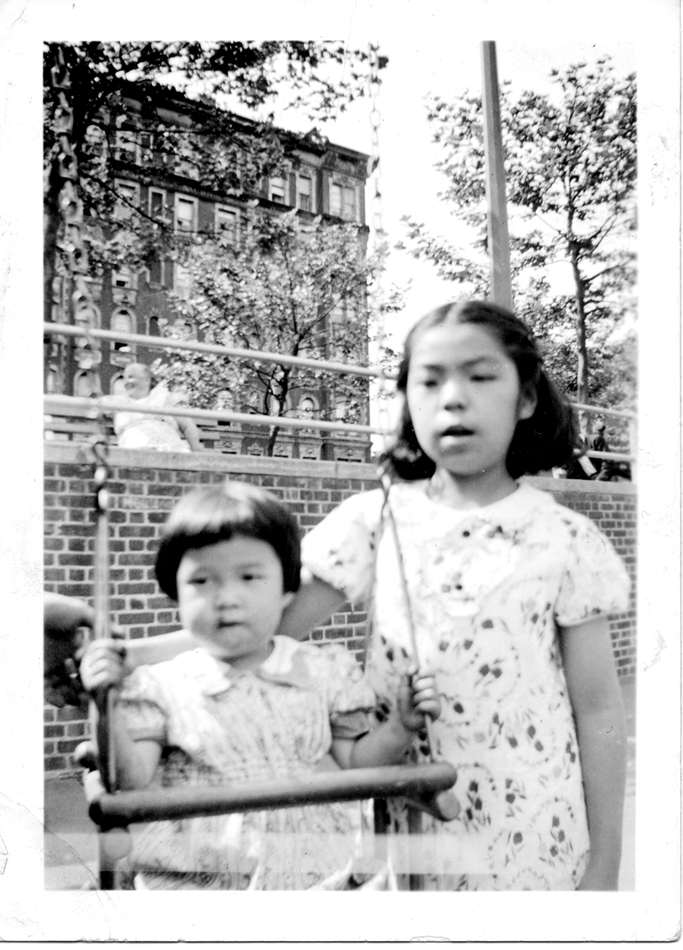
2004.080.020 Effie Lui pushing her sister Alice on the swings in 1940. The park looks to be Sara D Roosevelt park between Chrystie St. and Forsyth St. Courtesy of Fannie Lui, Museum of Chinese in America (MOCA) Collection.
2004.080.003 Sunday school at Grace Faith Mission at 63 Chrystie Street in 1936. Fannie Lui, her younger sister Effie Lui, and their friend Elizabeth Ng and her brother are seated at the far left table. In 1952, the Mission, which eventually changed its name to Grace Faith Church, purchased and moved into 65 Chrystie Street, where it remains today. Fannie's Godsister, Grace Wing, is the tall girl on the right. The verse on the blackboard is John 3:16. Courtesy of Fannie Lui, Museum of Chinese in America (MOCA) Collection.
2004.080.015 The congregation at Grace Faith Mission (63 Chrystie Street) on July 28, 1942. The first woman from the right in the third row was Sister Olson, who used to pay for Fannie and her sisters to have a vacation. The first woman from the right in the second row was Miss Bessie, Fannie's Sunday school teacher. Courtesy of Fannie Lui, Museum of Chinese in America (MOCA) Collection.
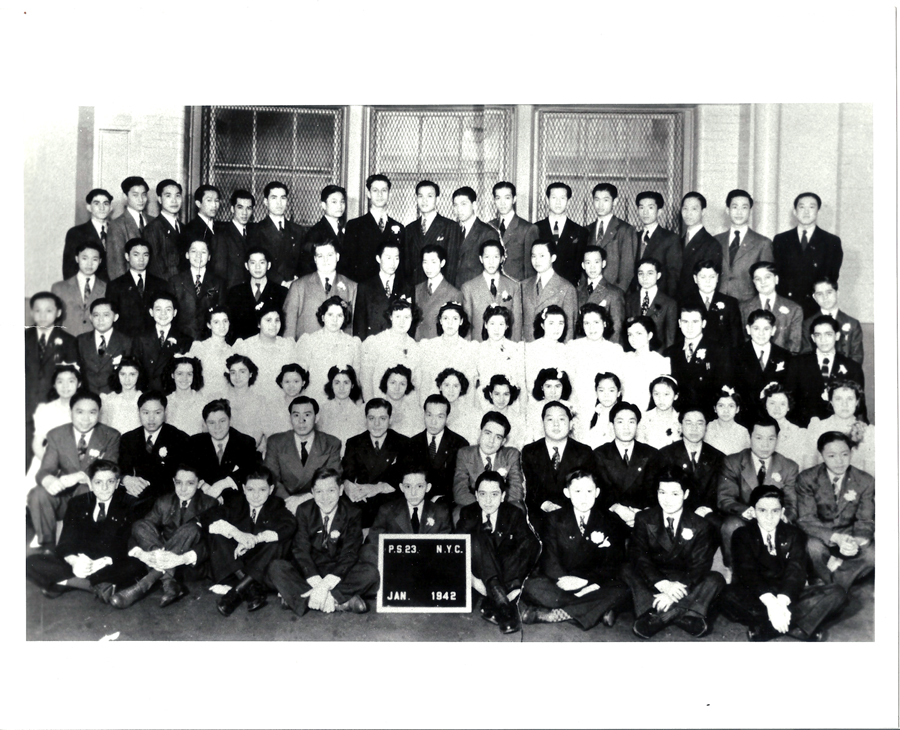
2012.022.093 PS 23 class photograph from 1942. The Lui children attended the school during this time and are among the students pictured here. Courtesy of Fanny Lui, Museum of Chinese in America (MOCA) Collection.