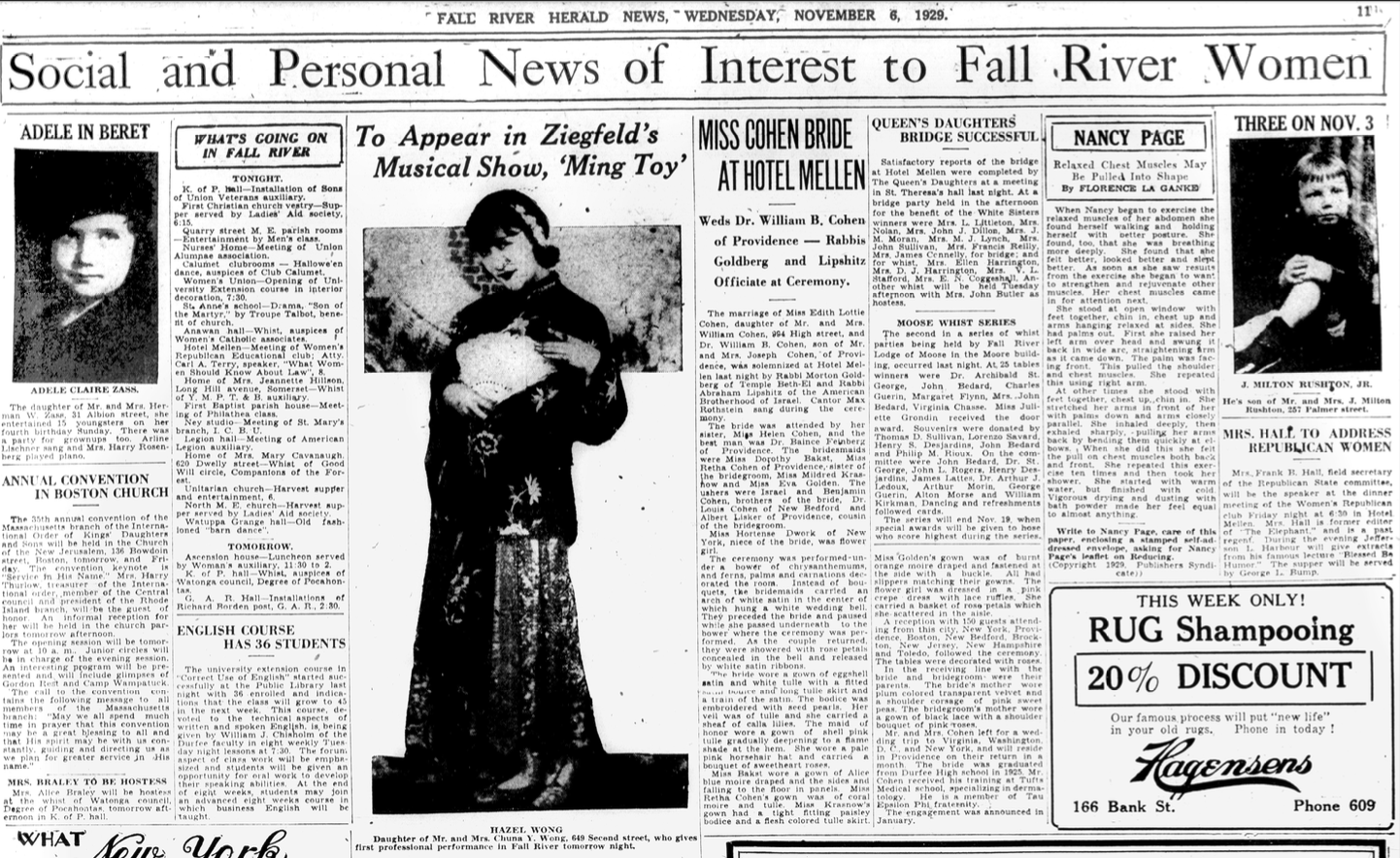
This photograph of Hazel Wong—confidently sporting the short-hemmed skirt and bobbed hair of a flapper—was taken backstage in Paris, where she was performing circa 1928-1929. Wong was one of a surprisingly large number of Chinese and Chinese American performers in small-time vaudeville, part of an American history that has largely been forgotten.
Collections馆藏Collections馆藏Collections馆藏Collections馆藏Collections馆藏Collections馆藏Collections馆藏Collections馆藏Collections馆藏Collections馆藏Collections馆藏Collections馆藏Collections馆藏Collections馆藏Collections馆藏Collections馆藏Collections馆藏Collections馆藏Collections馆藏Collections馆藏Collections馆藏Collections馆藏Collections馆藏Collections馆藏Collections馆藏Collections馆藏Collections馆藏Collections馆藏Collections馆藏Collections馆藏Collections馆藏Collections馆藏Collections馆藏Collections馆藏Collections馆藏Collections馆藏Collections馆藏Collections馆藏Collections馆藏Collections馆藏Collections馆藏Collections馆藏Collections馆藏Collections馆藏Collections馆藏Collections馆藏Collections馆藏Collections馆藏Collections馆藏Collections馆藏Collections馆藏Collections馆藏Collections馆藏Collections馆藏Collections馆藏Collections馆藏Collections馆藏Collections馆藏Collections馆藏Collections馆藏Collections馆藏Collections馆藏Collections馆藏Collections馆藏
Chinese American Flapper in Vaudeville
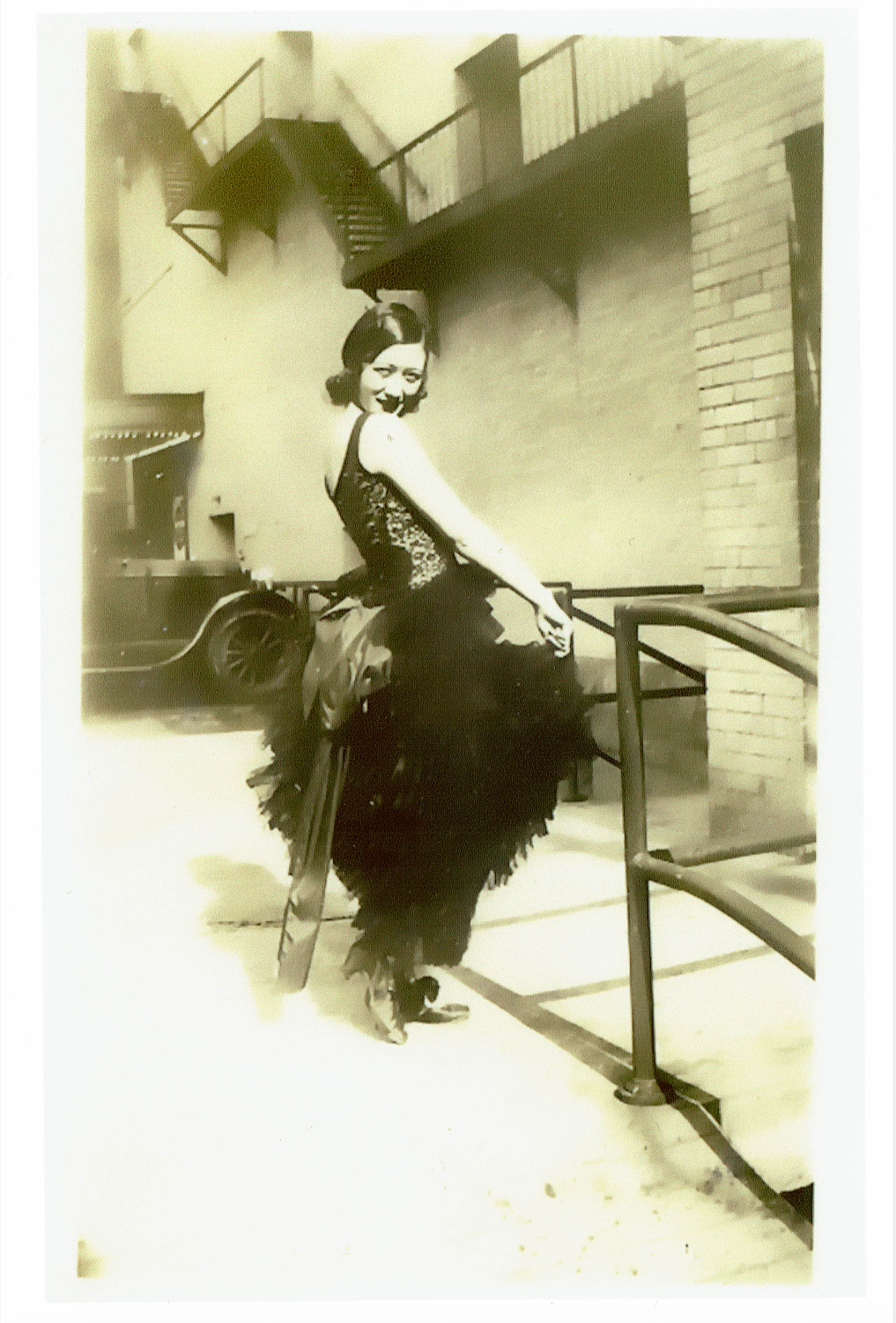
Hazel Wong backstage in Paris. Courtesy of Douglas J. Chu, Museum of Chinese in America (MOCA) Collection.
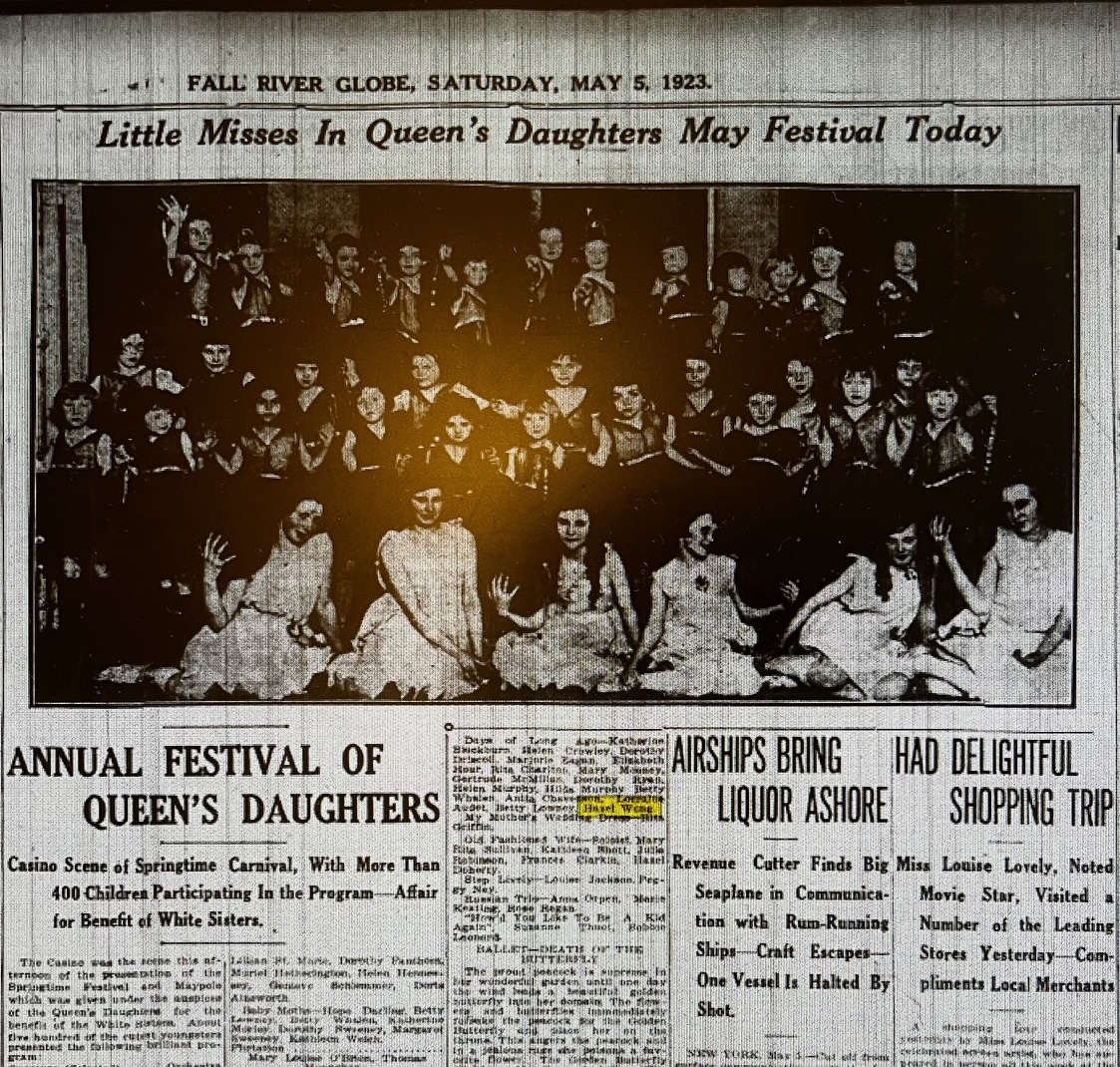
From the Fall River Globe, May 5, 1923, digitized on newspapers.com, accessed at the New York Public Library.
Wong began dancing in local productions in her hometown of Fall River, Massachusetts, where she trained at the dance school of Miss Katherine L. Ney. In 1922 and 1923, she was among as many as 400 girls who danced in the Queen’s Daughter Springtime Festival, an annual charity event supporting the White Sisters of the Holy Ghost, refugees of persecution in France who settled in Fall River to perform nursing work.
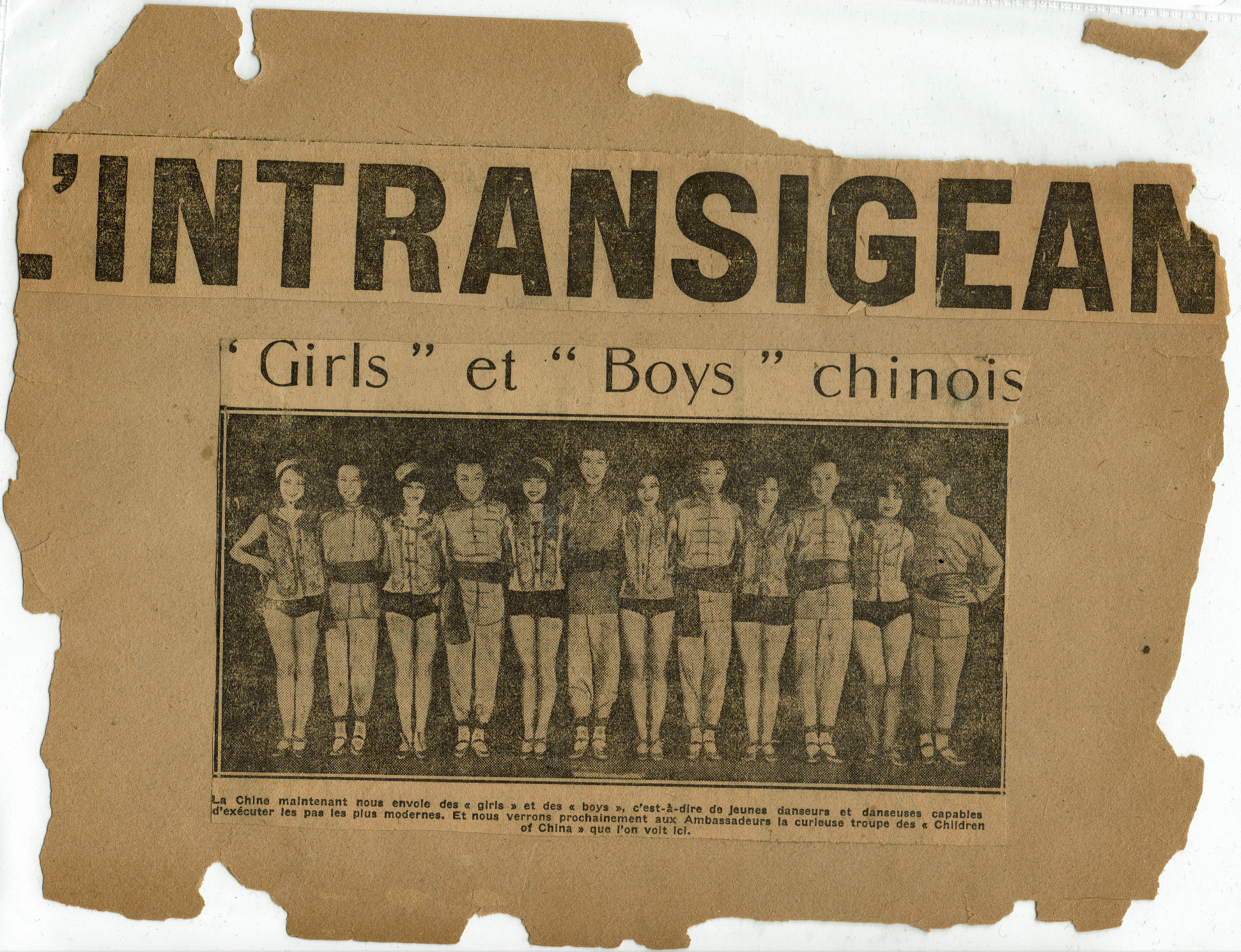
Connelly's troupe performing at the Club Ambassadeurs in Paris. Hazel is fourth from the right. Courtesy of Douglas J. Chu, Museum of Chinese in America (MOCA) Collection.
Her love of dance led her to pursue professional opportunities. She received her first major break through Tock and Toy, a performing couple and friends of her parents. Tock and Toy recommended her to Irwin Connelly, a former Hollywood motion picture actor whose wife had previously done missionary work in China. Interested in giving Chinese youth an opportunity in show business, the Connellys formed a troupe billed as “Children of Asia.” In 1928, Wong traveled with the Connelly’s 16-member troupe for five months, performing at “some of the most famous amusement places of Europe,” including the Club Ambassadeurs in Paris, the Coliseum and Savoy Hotel in London, and the Casino at Ostende, Belgium.
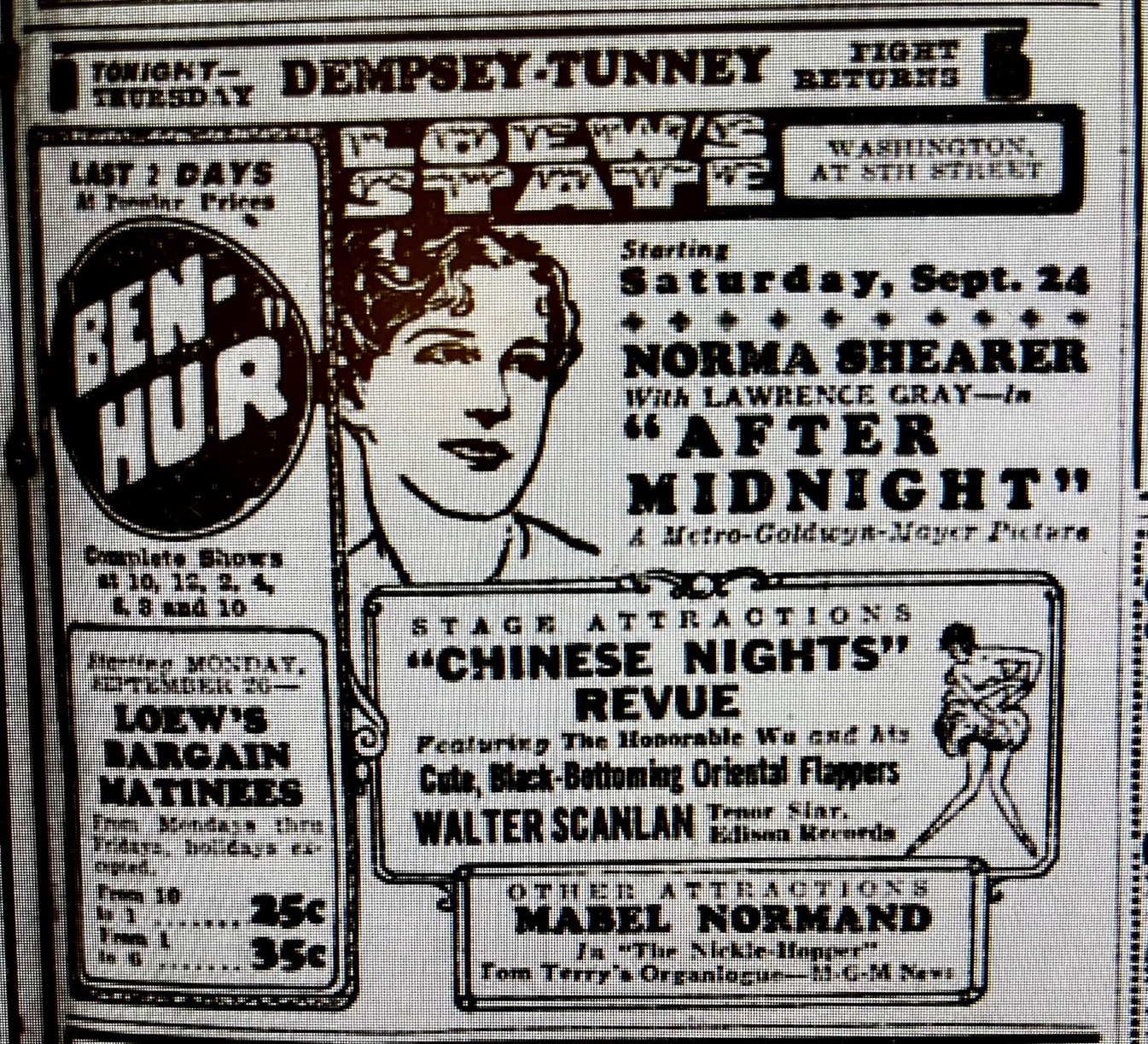
From the St. Louis Post-Dispatch, September 22, 1927, digitized on newspapers.com, accessed at the New York Public Library.
From the Akron Beacon Journal, May 25, 1928, digitized on newspapers.com, accessed at the New York Public Library.
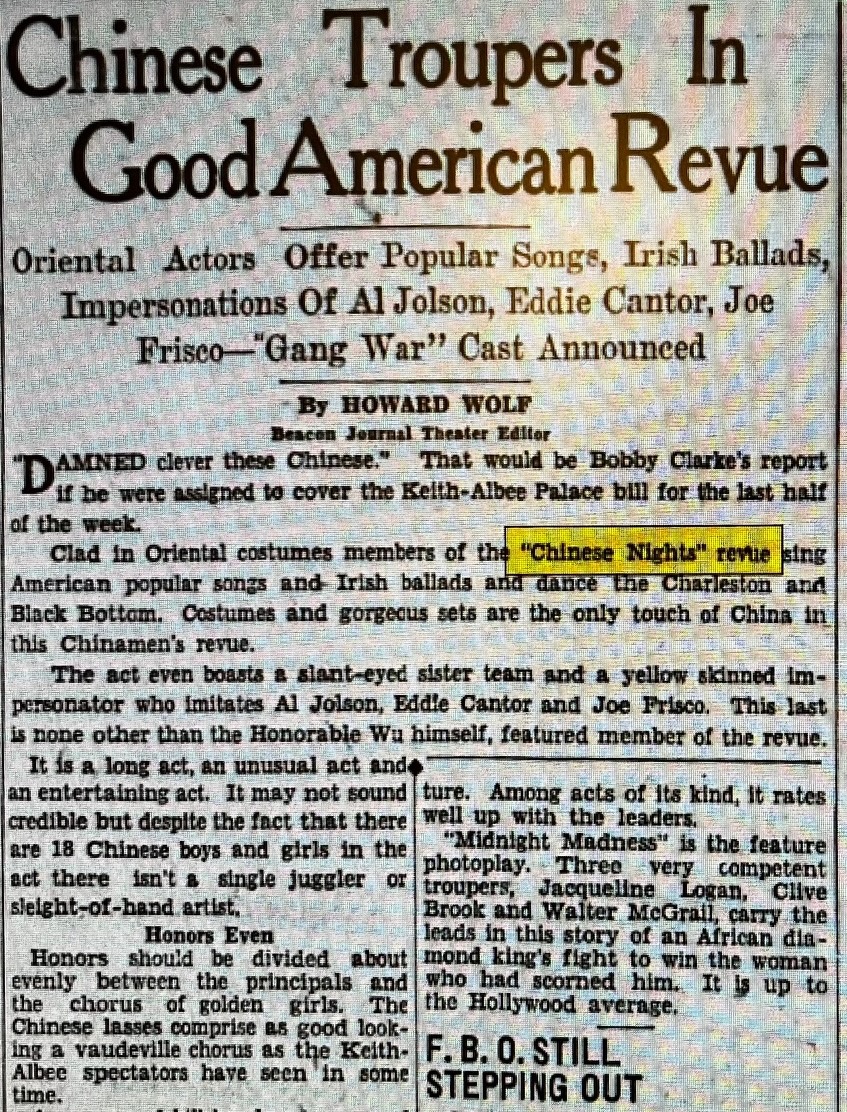
By 1930, Wong had joined Honorable Wu’s Chinese Nights Revue (also known as the Chinese Whoopee Review) as a principal performer. Created by headlining performer Harry Gee Haw—who later adopted the stage name “Honorable Wu”—the Chinese Nights Revue was the first all-Chinese American revue in vaudeville. Costumed in Chinese or formal Western garb, its members sang popular American songs and Irish ballads, danced contemporary favorites such as the Charleston and Black Bottom, and incorporated racial and ethnic impressions that challenged even as they reinforced racial caricatures by highlighting the performative nature of race. Critics pointedly noted that the revue’s “costumes and gorgeous sets are the only touch of China” in their otherwise all-American act.
The Chinese Nights Revue toured widely across the United States, appearing at venues such as the Keith Albee Palace in Akron (OH), Loew’s State in St. Louis (MO), the E.F. Albee Theatre in Brooklyn (NY), and the Paramount in Miami (FL). Their act was typically part of an evening program that combined live vaudeville with a feature film or photoplay.
Courtesy of Douglas J. Chu, Museum of Chinese in America (MOCA) Collection.
In 1930, Wong and the revue became part of a growing number of vaudeville stars breaking into Hollywood. That year, the Chinese Nights Revue recorded its act at Warners’ Flatbush studio, producing what was reportedly one of the first all-Chinese films. Wong also secured singing and dancing roles in Paramount’s “Chinatown Fantasy” and Florenz Ziegfeld’s musical comedy adaptation of “Ming Toy.”
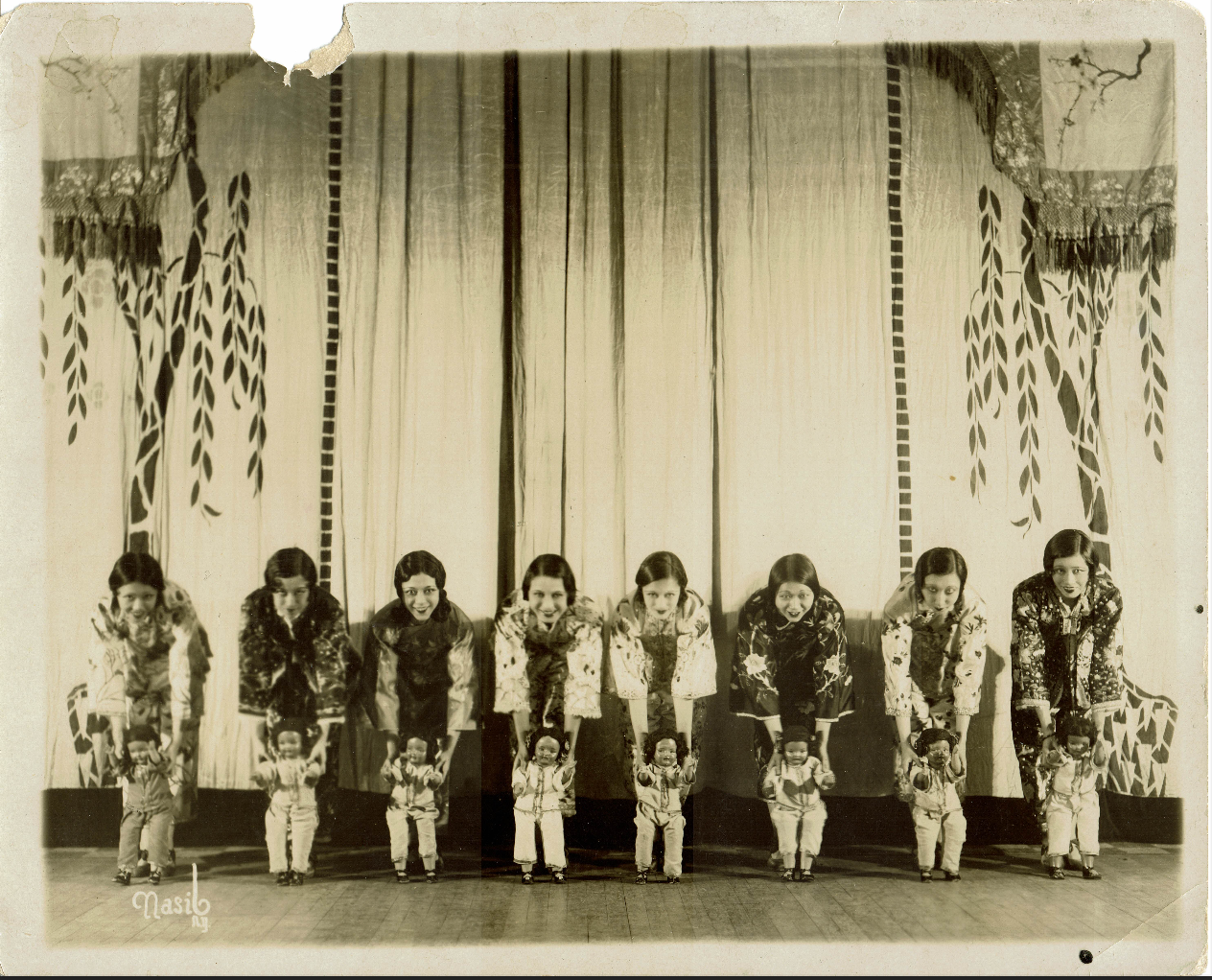
Hazel Wong and troupe performing with dolls, 1929. Courtesy of Douglas J. Chu, Museum of Chinese in America (MOCA) Collection.
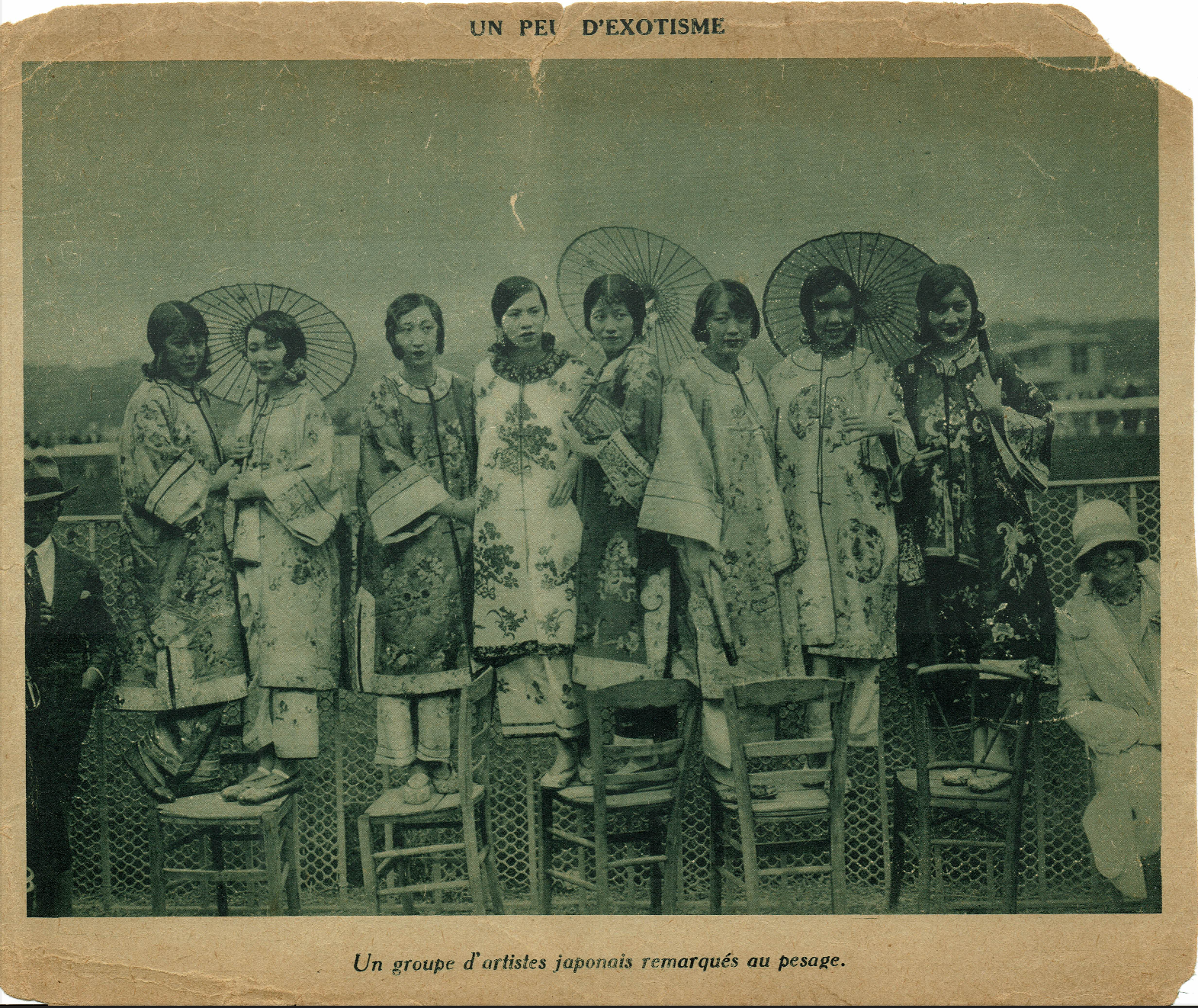
Hazel Wong and troupe in Paris, 1929. Courtesy of Douglas J. Chu, Museum of Chinese in America (MOCA) Collection.
Although the racial humor characteristic of vaudeville stands at odds with contemporary sensibilities, performers such as Wong played a significant role in popularizing and normalizing Chinese American talent and bodies on stage. Her pioneering generation’s presence in vaudeville challenged racial expectations, expanding possibilities and paving the way for the later Chinese American “Chop Suey” nightclub circuits that flourished in Chinatowns from the late 1930s through 1960s.