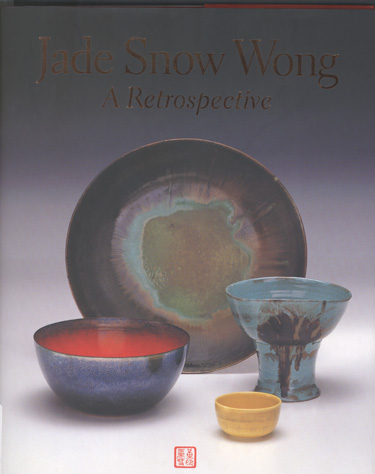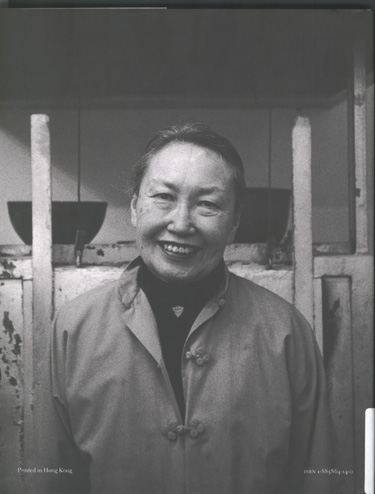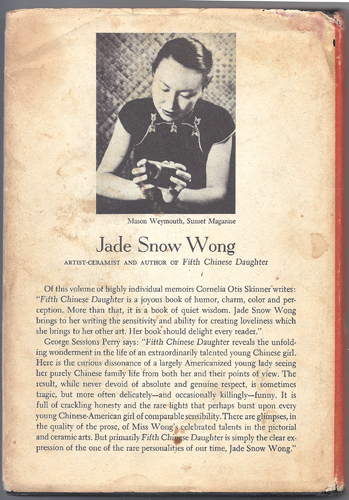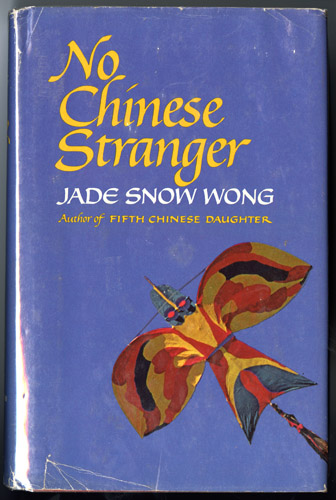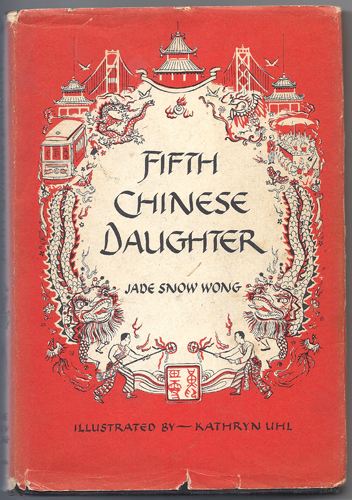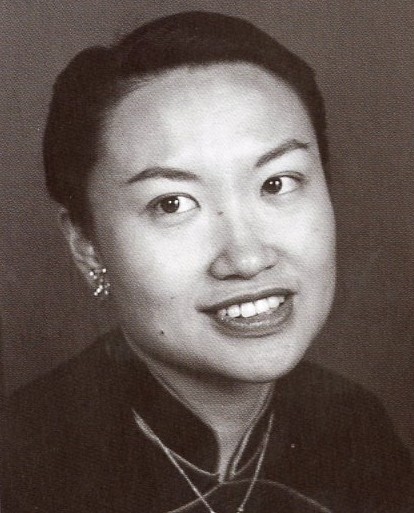
Jade Snow Wong (黃玉雪, also known socially as Constance “Connie” Ong, January 21, 1922 – March 16, 2006), was a pioneering Chinese American ceramic artist and author. Her bestselling memoir, Fifth Chinese Daughter (1950), which chronicles her upbringing in a traditional Chinese family and her journey to pursue the unconventional path of becoming an artist, was groundbreaking as one of the first autobiographies written by a Chinese American woman. Though it is read more critically today, the book resonated with generations of women across cultures, and later women authors, notably Maxine Hong Kingston and Amy Tan, have cited her example as an important influence.
Born and raised in San Francisco’s Chinatown, Wong was one of nine children in a family that lived and worked in their small, basement-level garment factory to weather the Great Depression. Her father—who valued education but reserved his limited financial resources for his sons—encouraged his bright daughter’s academic ambitions though unable to fund them. Through personal connections, Wong was able to make an arrangement to perform housework and clerical work for the Dean of Undergraduate Students to pay her way through Mills College.
In 1942, Wong graduated Phi Beta Kappa with a major in economics and sociology, intending to become a social worker serving her Chinatown community. But during her last semester, she fell in love with making pottery while taking a course with F. Carlton Ball, one of the first innovative ceramics instructors in postwar California. After graduation, she was gifted living expenses to take Ball’s summer pottery course, but other than this brief formal training, was largely self-taught—learning through tireless experimentation and evening sessions with the Mills Ceramic Guild while working six-day weeks during World War II at the Red Cross, Marinship, and the 12th Naval District. Her wartime employment experience made Wong yearn to eschew the strictures of Corporate America and forge an independent livelihood for herself through making beautiful things with her own hands and creative effort.
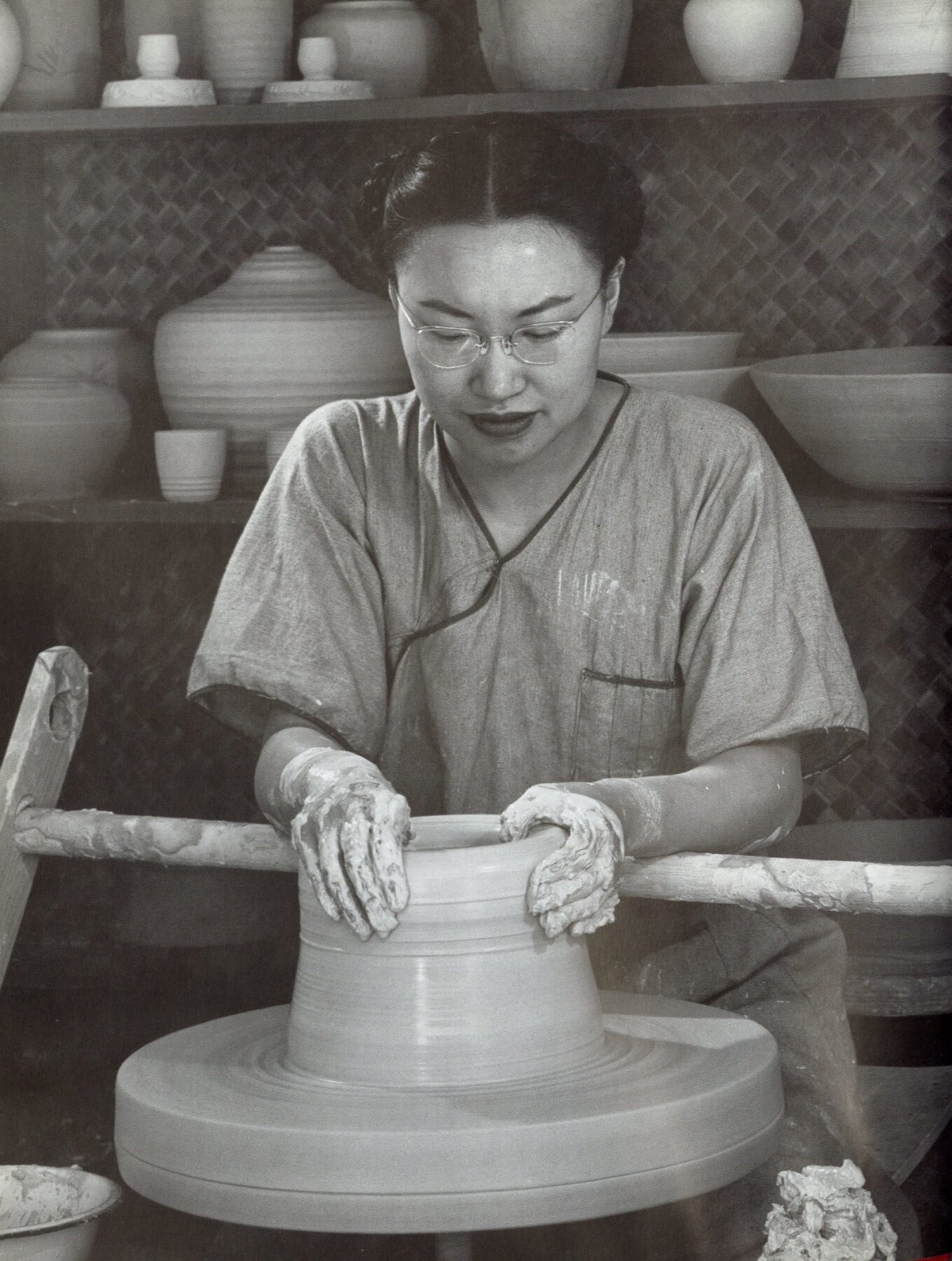
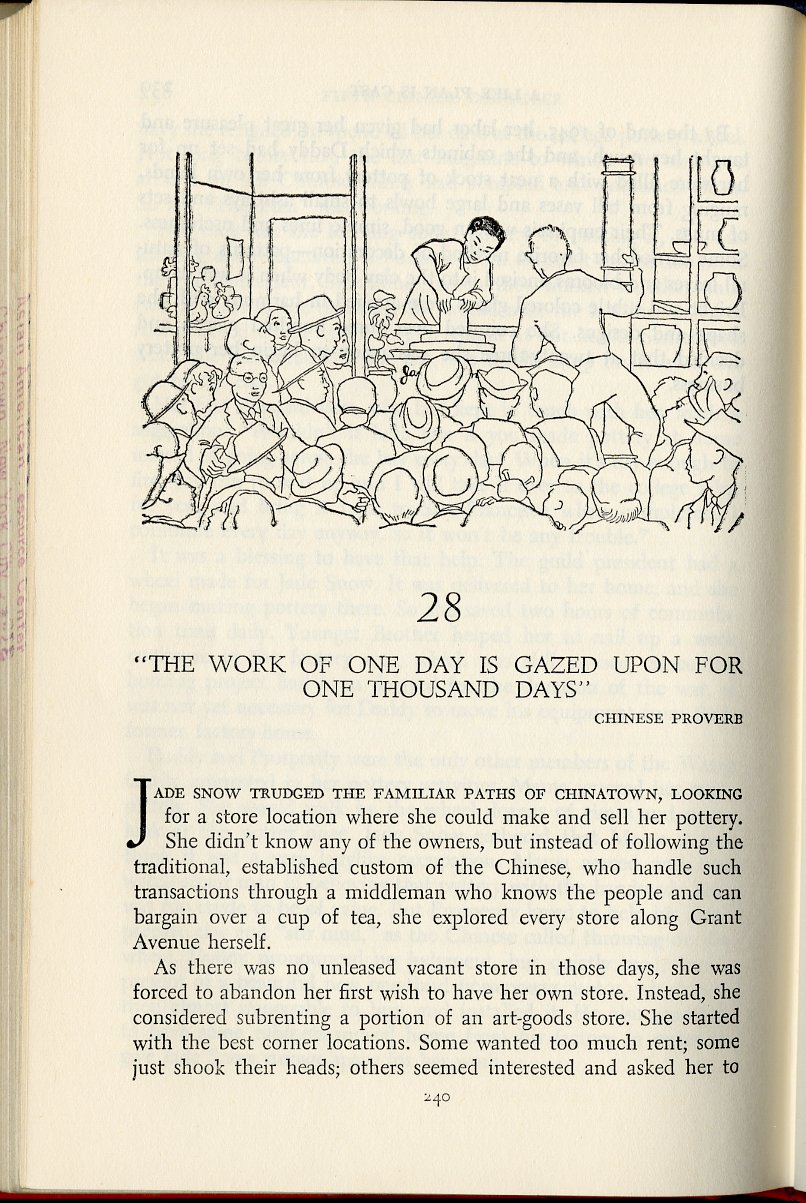
In 1945, determined to test whether she could make a living as a potter, Wong rented a shop window in Chinatown with the idea of showcasing herself at work on her potter’s wheel. The Chinese community was scandalized to see the educated daughter of a respected family “doing dirty work in public,” but she attracted large crowds, sales grew, and she soon expanded into her own studio. It was the sensation she created through her shop window marketing strategy that brought her to the attention of Harper & Row, which commissioned her to write the autobiography that became Fifth Chinese Daughter. Wong recalled boldly writing the publisher: “Give me five years. I must first make my career work.” The shop window was also where her future husband first saw her. She wrote that in his first stroll through Chinatown upon being discharged from the Army, still dressed in his first sergeant’s uniform, he had seen her throwing clay in the window.
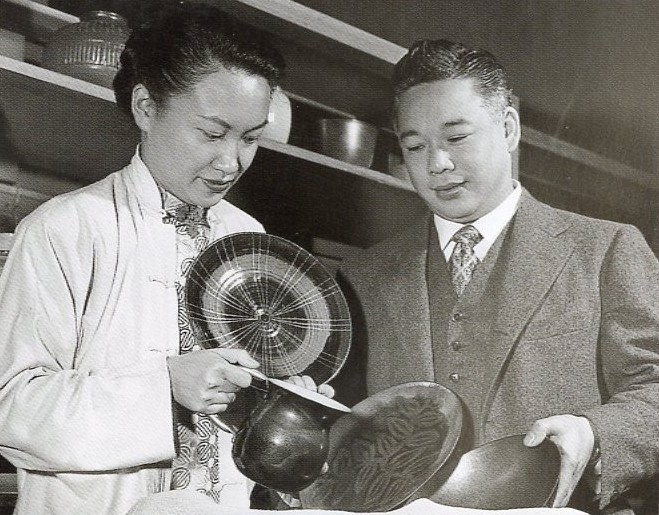
Two months before Fifth Chinese Daughter was published, she married Woodrow W. Ong, with whom she raised four children—Tyi, Ellora, Mark, and Lance. The couple shared a dream of surviving as independent artists and developed their art and businesses as a husband-and-wife team. Wong focused on form while husband Woodrow developed glazes—painstakingly calculating formulas by hand in the pre-computer era—and even crafted her potter’s tools from bamboo. Benefiting from American museums’ elevation of ceramics and enamels as works to be collected on par with fine painting, Wong’s pieces were acquired into the collections of major institutions such as the Metropolitan Museum of Art and were exhibited in the Museum of Modern Art’s landmark exhibition 100 Objects of Fine Design. In 1952, the Art Institute of Chicago organized her first one-woman show, which traveled to museums in cities across the country, including Detroit, Omaha, and Portland. A year later, at the height of the Cold War, the U.S. State Department sent Wong on a four-month speaking tour of forty-six cities across Asia as its first Chinese American cultural ambassador. Though grueling, her experiences on the tour became the seed for the couple’s travel agency business, through which many Americans received guided art-centered tours of Asia. In 2002, the Chinese Historical Society of America mounted a retrospective of her work, introducing many of the same pieces as her 1952 show to a new generation.