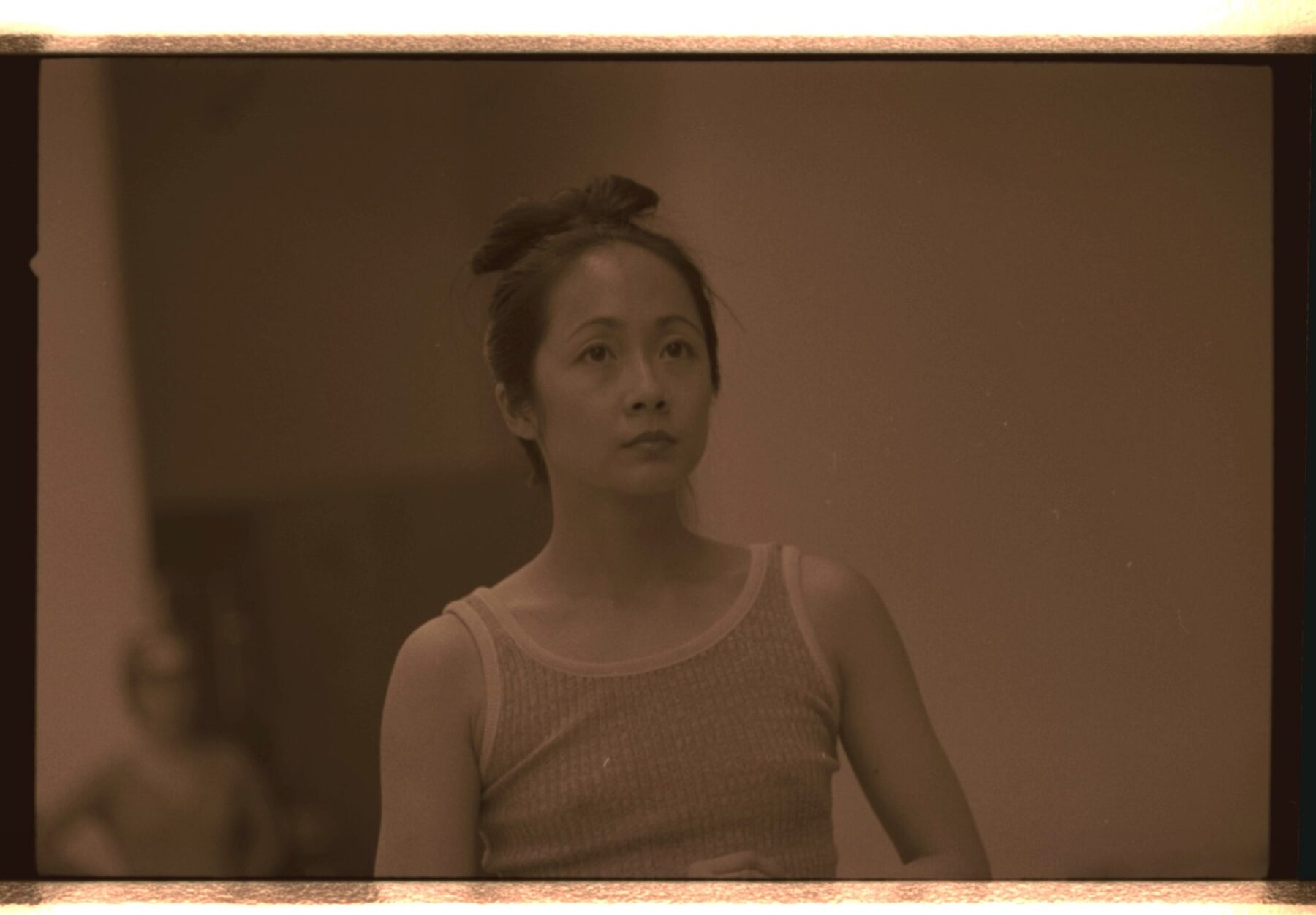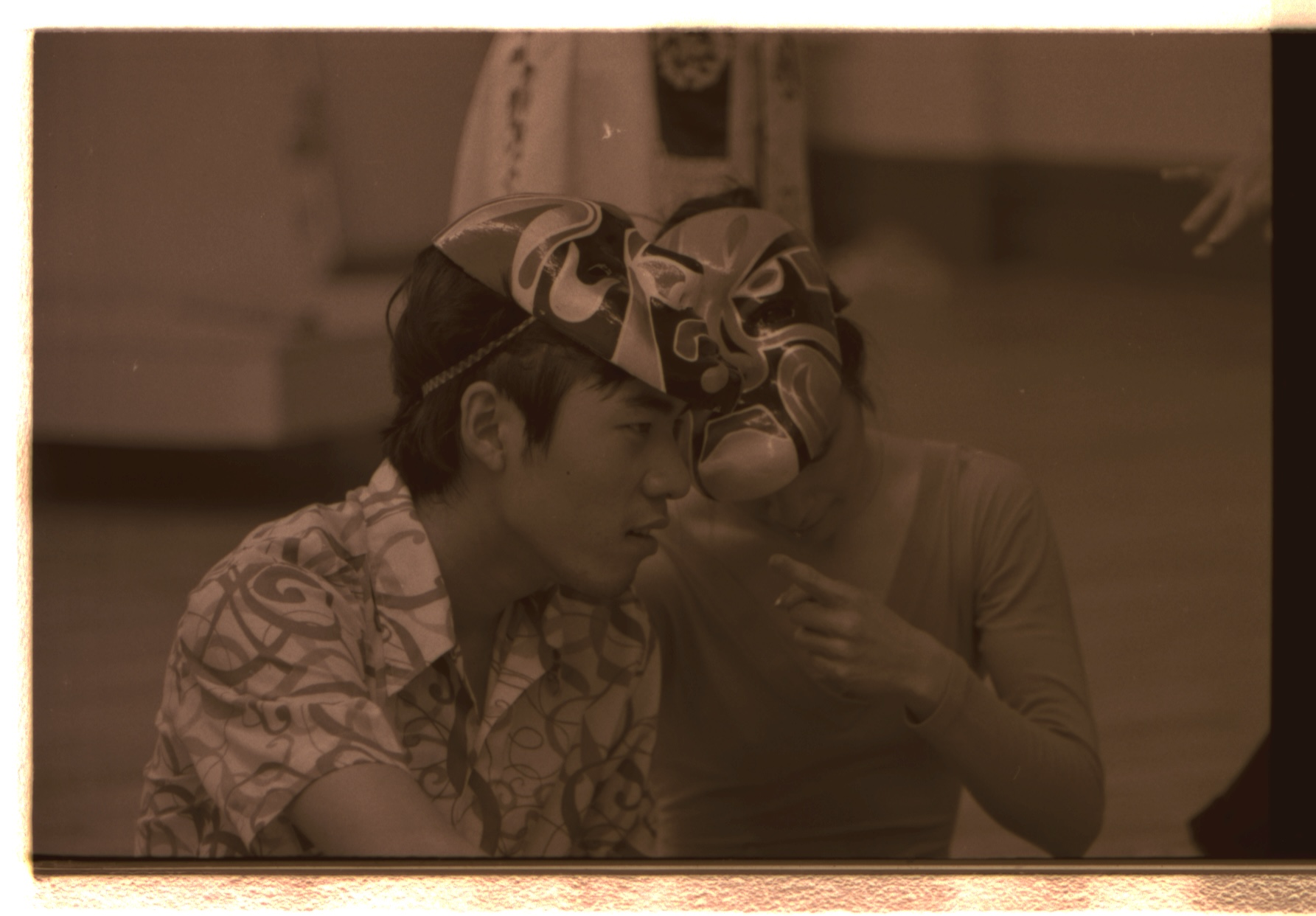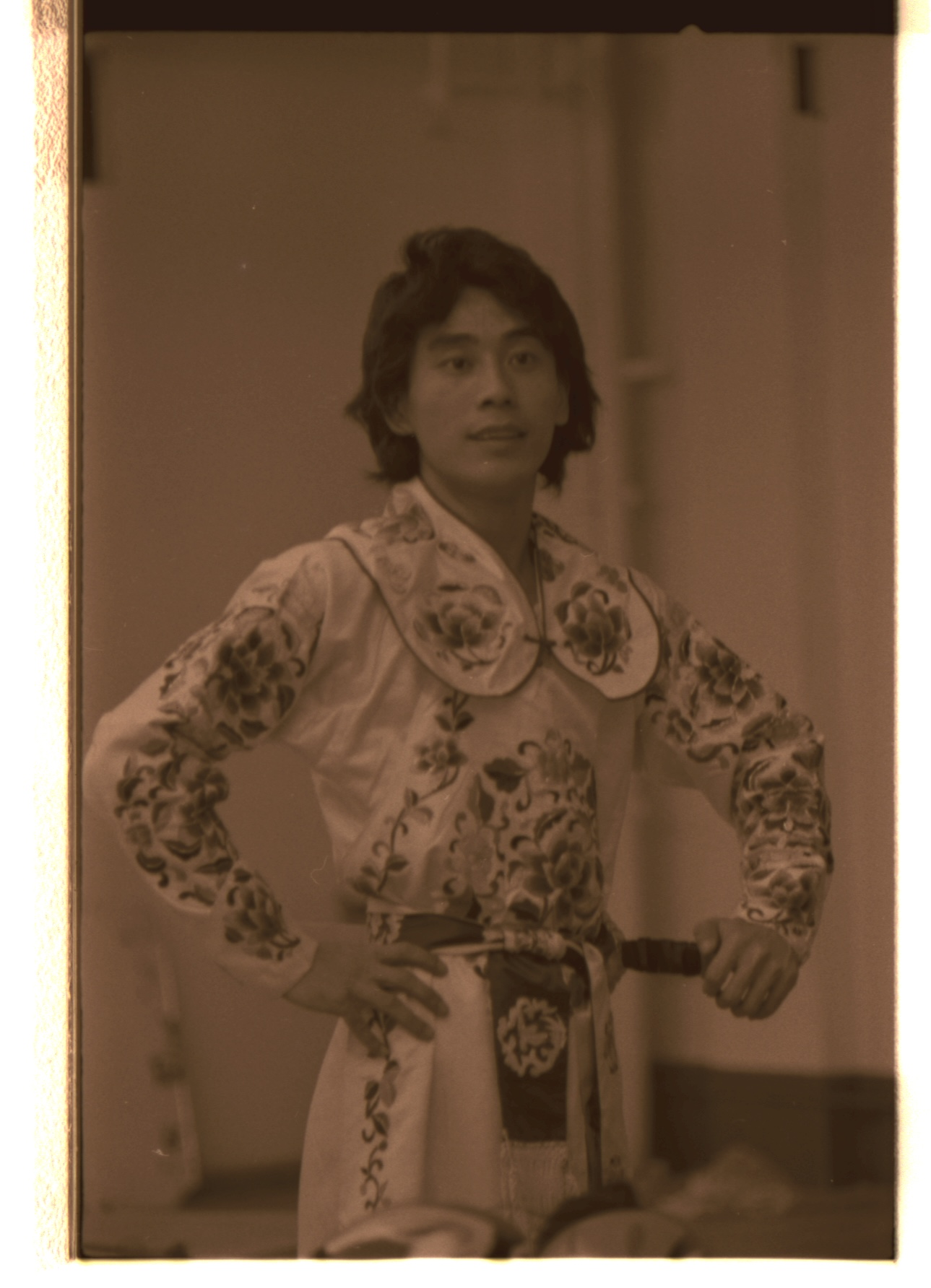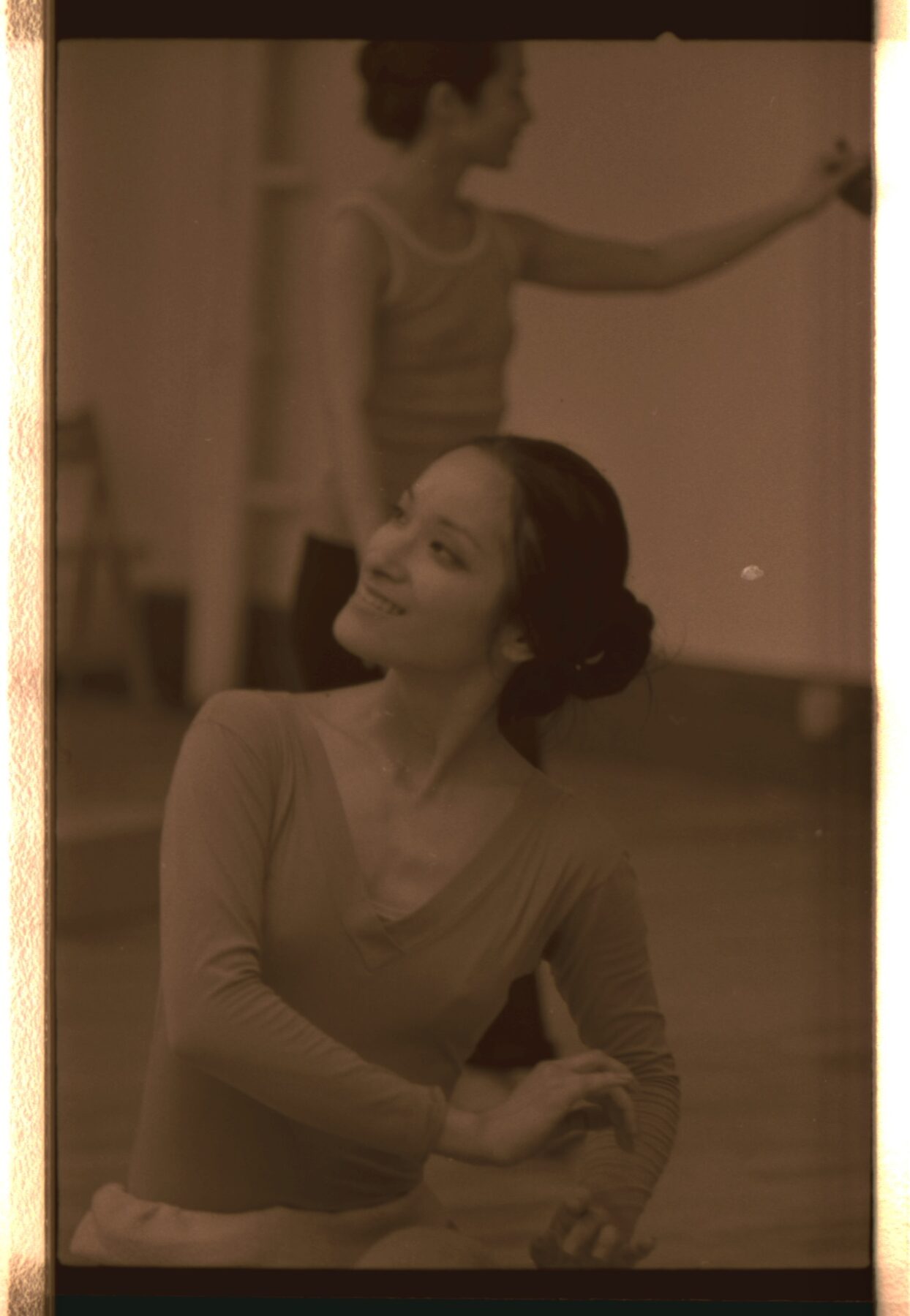
Emile Bocian, a photographer of Polish-Jewish descent, documented everyday life in Manhattan’s Chinatown during the 1970s and 1980s as a photojournalist for The China Post. His extensive archive includes images of the Chinese Theater Group at La MaMa Experimental Theatre Club from 1973 to 1974, capturing pivotal moments in the development of Asian American theater during that era.
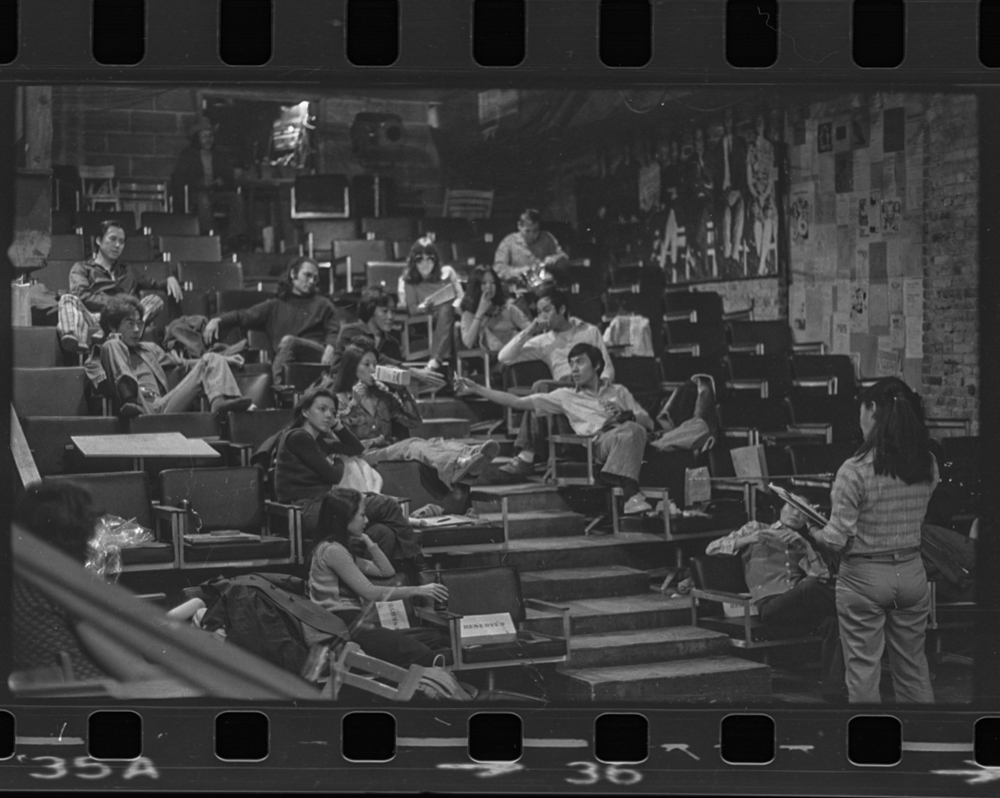
Through Emile Bocian’s photographs, we can go back in time to revisit two productions directed by Tisa Chang, The Return of the Phoenix (1973) and A Midsummer Night’s Dream (1974), from rehearsal rooms to the performances on stage.
Born in 1941, Tisa Chang, a Chinese American actress and director, was the driving force behind both works. Drawn to theater from a young age, she trained at the High School of Performing Arts and later graduated from Barnard College. Chan began her career as an actor on Broadway before transitioning to directing. Reflecting on the shift, Chang notes:
“It was a chance to work on projects that resonate deeply and personally and highlighted my world […] of coming from a divided China that was still in the throes of revolution, but steeped in culture and history. As a director, I had more autonomy in choosing projects, and felt I was contributing to American theatre with stories drawn from China’s vast literary legacy.”
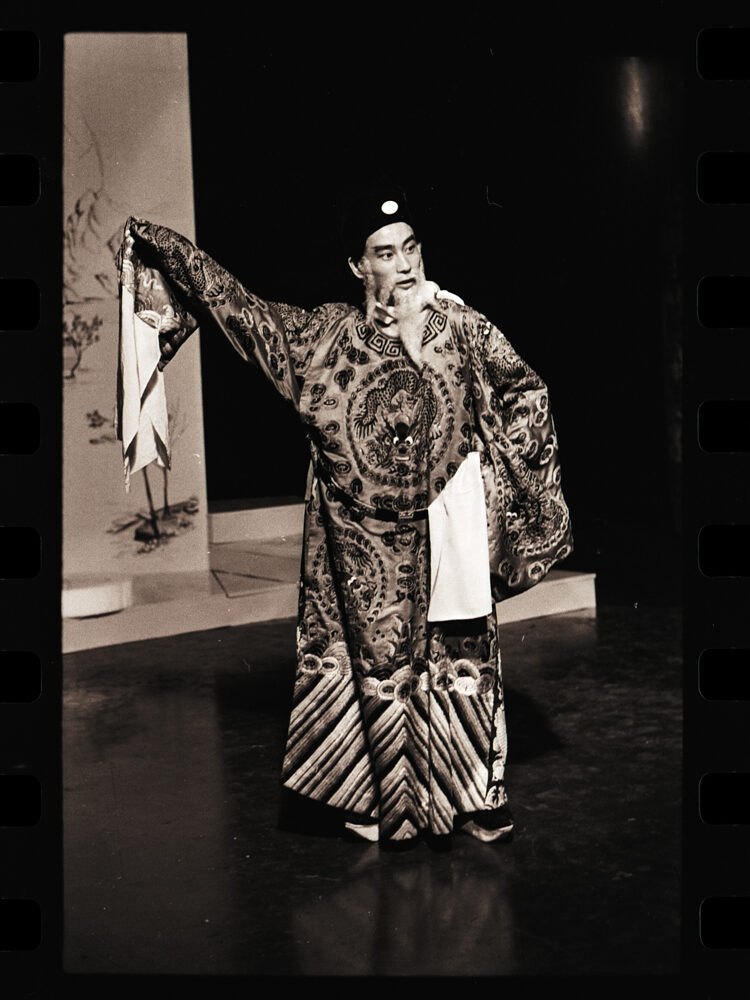
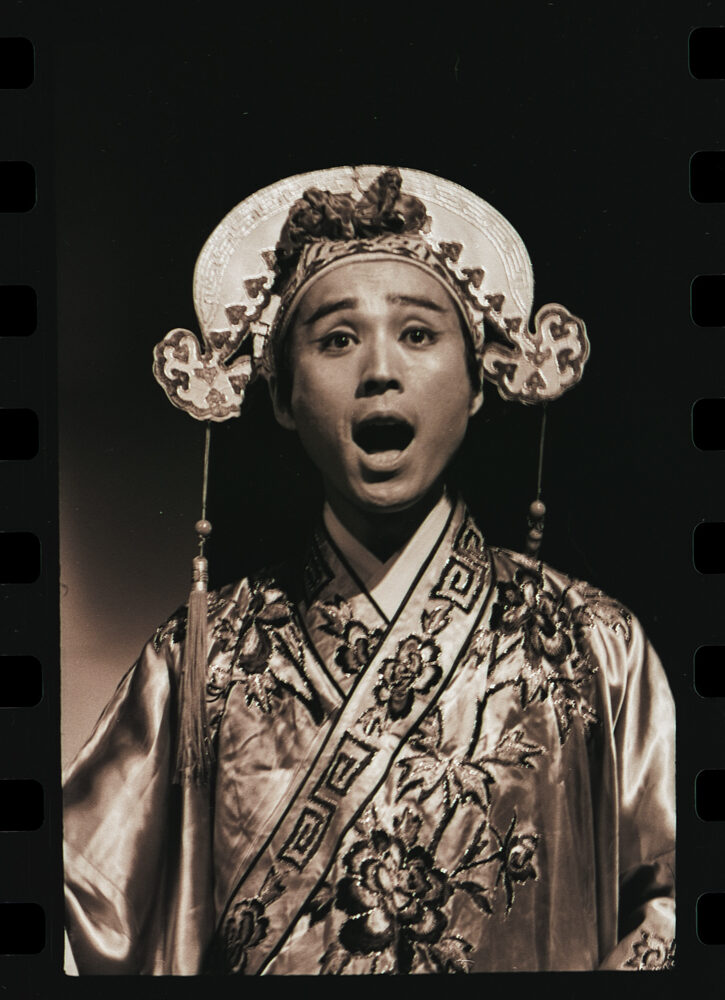
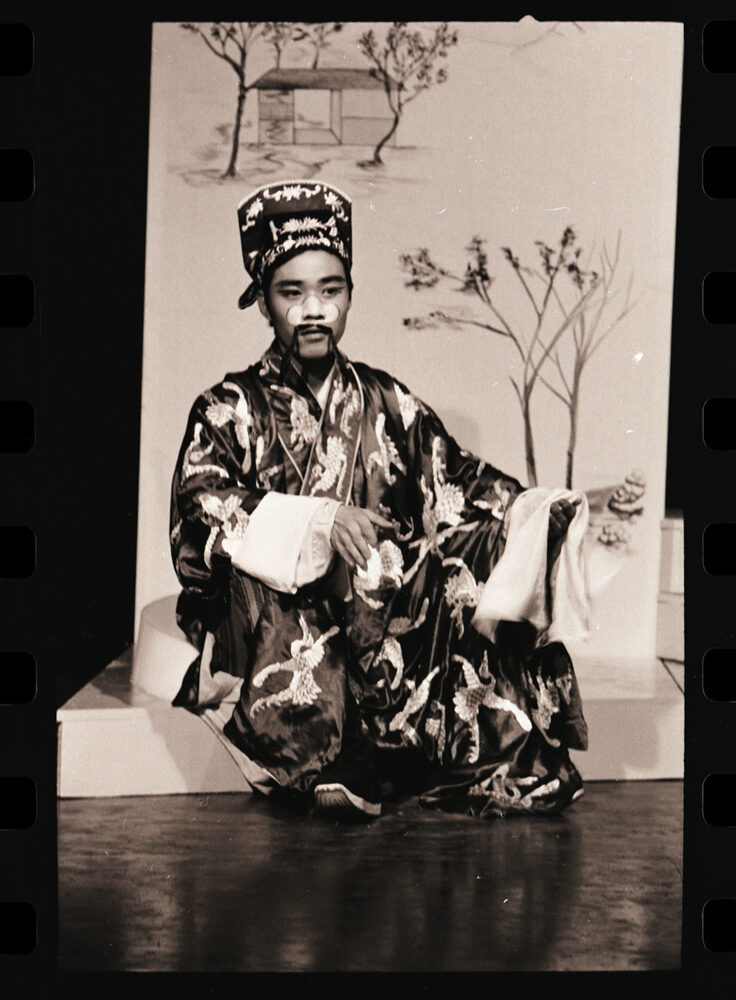
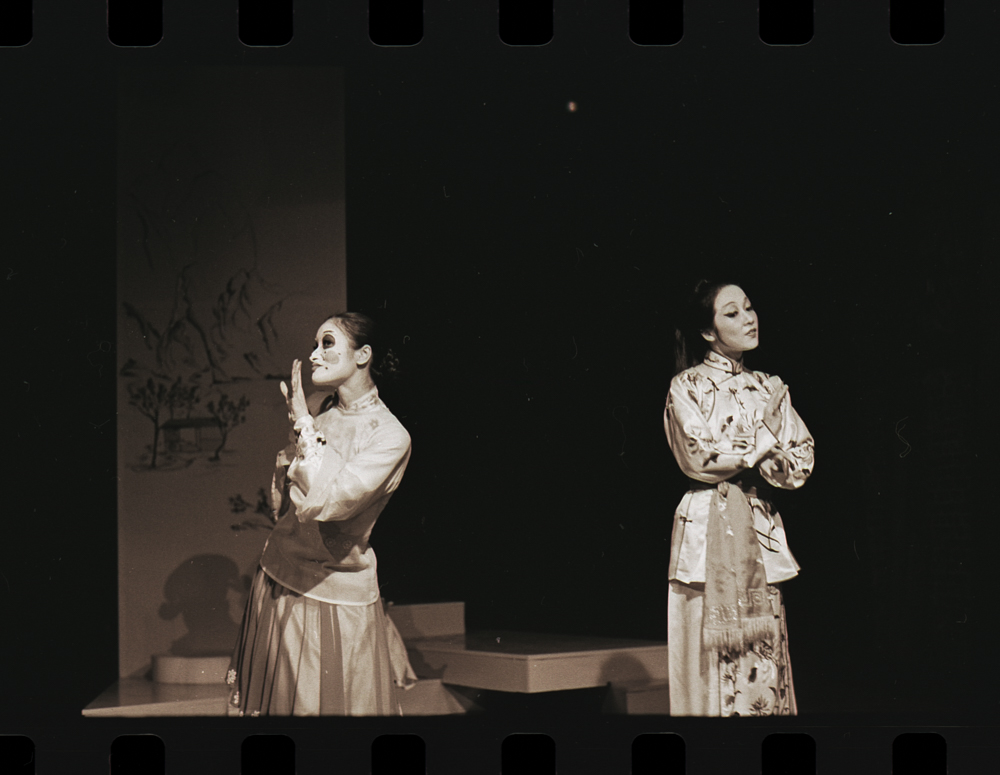
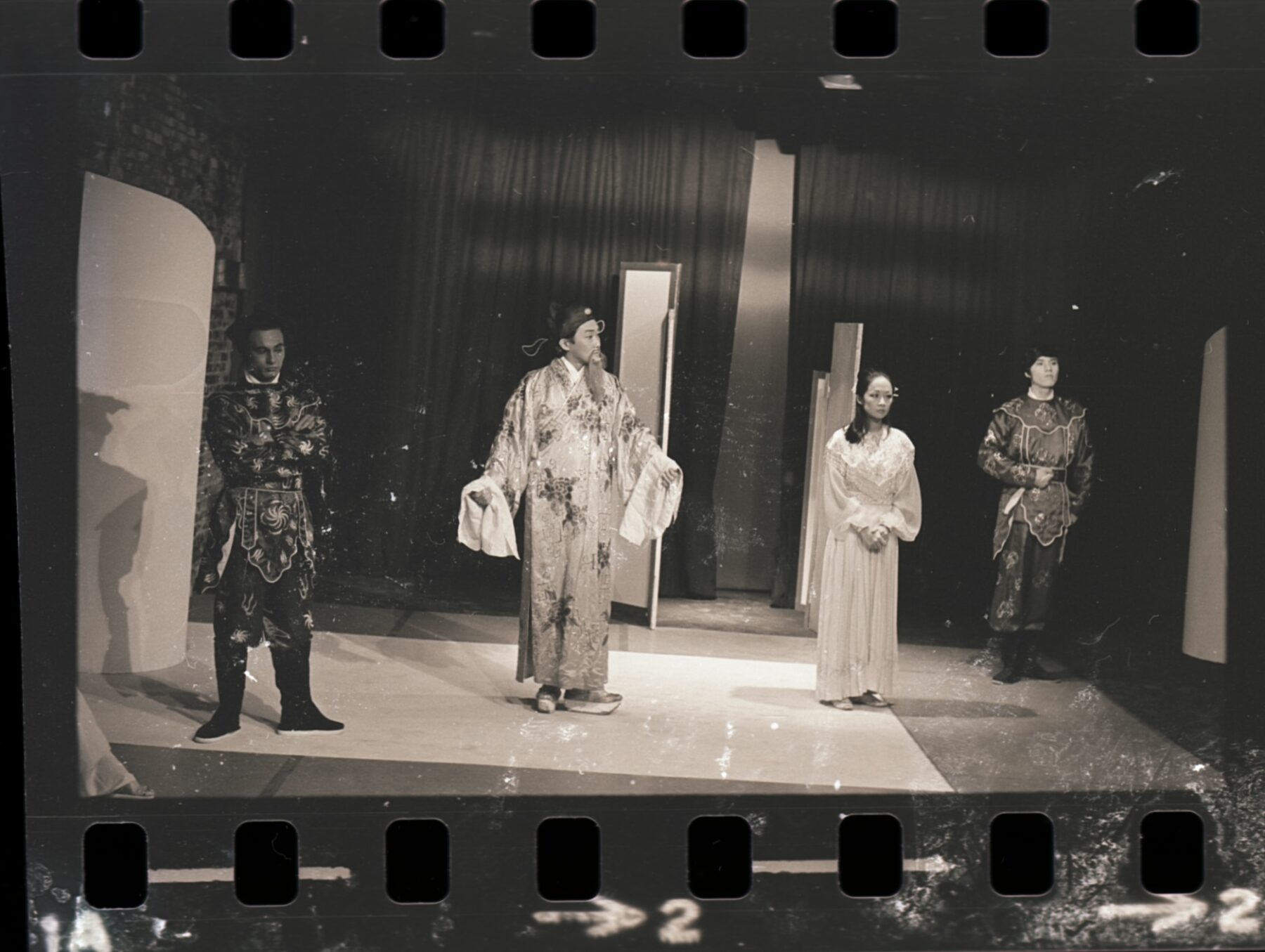
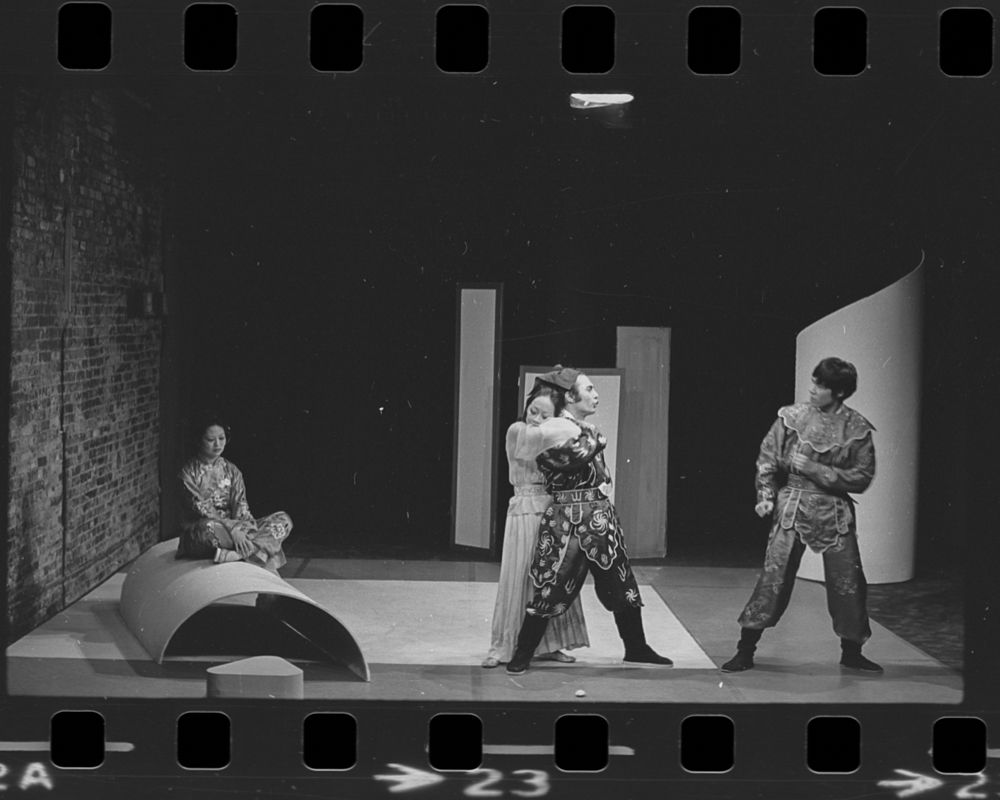
In 1973, Chan launched her directing career with the Chinese Theater Group at La MaMa Experimental Theatre Club. The musical The Return of the Phoenix (1973) is one of her earliest productions. Reworked from the Peking Opera (Jingju) of the same name (凤还巢), the production featured a cast of five performers: Alan Chow (周龙章) as Cheng Pu, Lu Yu as Mu, Kitty Chen as the Phoenix, Lynette Chun as Yen, and Eddie Chen as Prince Chu. Among them, Alan Chow is noted as an actor well-trained in the Chinese traditional theater.
The performance of The Return of the Phoenix ran approximately one hour, and was staged from July 5–8 and July 10–12, 1973, at 74a East Fourth Street. Its lyrics alternated between Mandarin and English, while the music, composed by music consultant Stephen Cheng, included popular songs and traditional Chinese melodies.
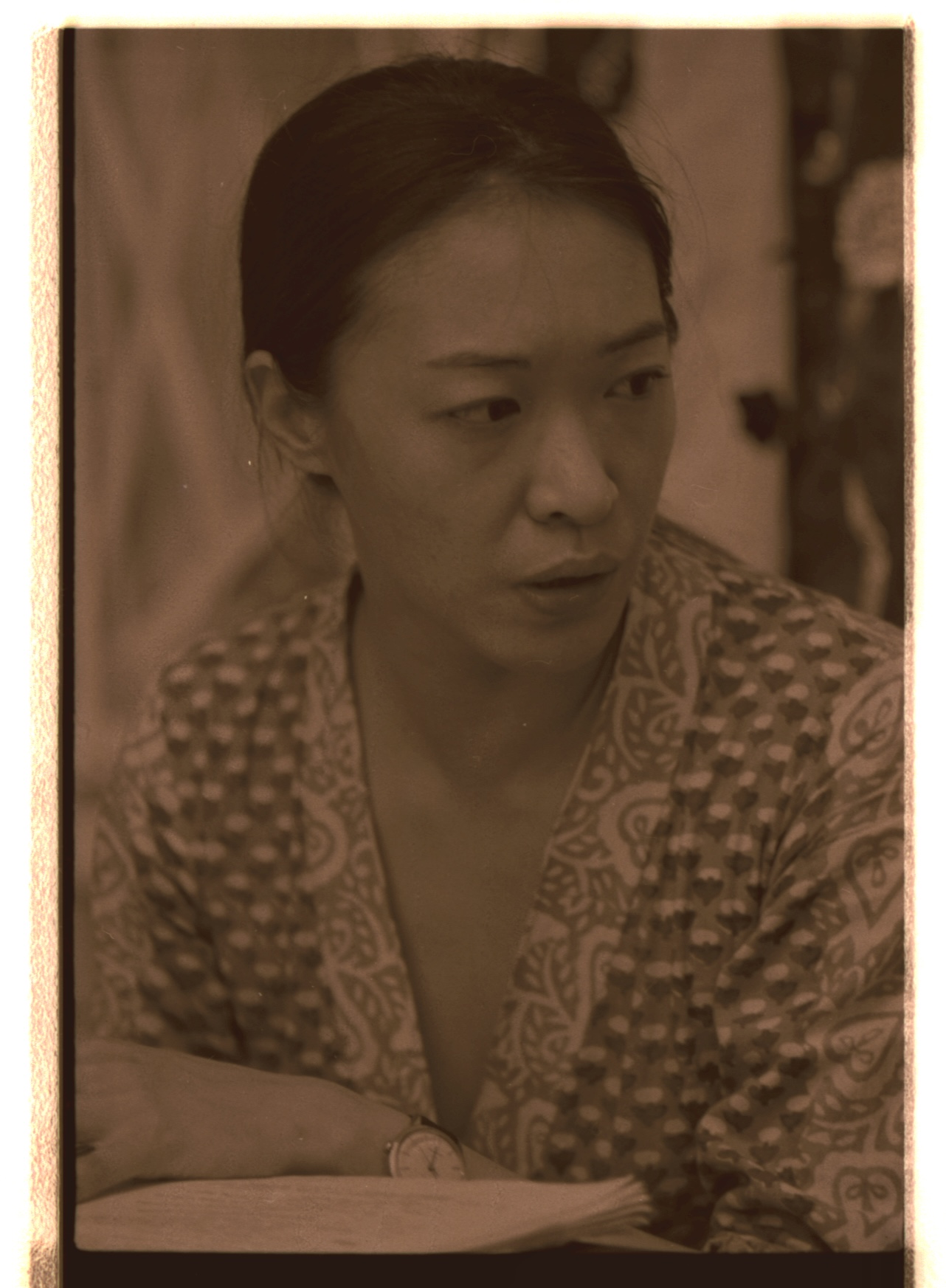
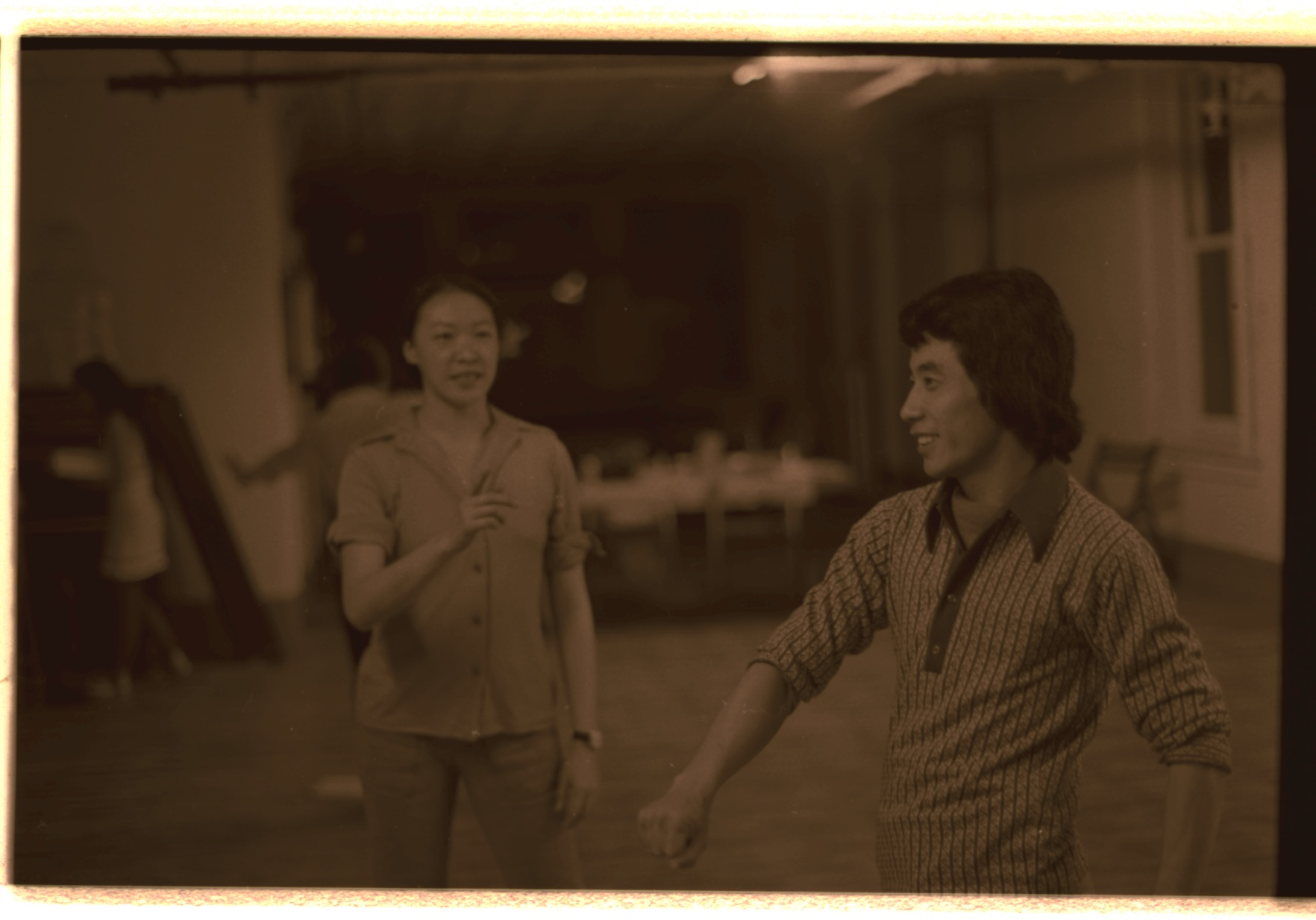
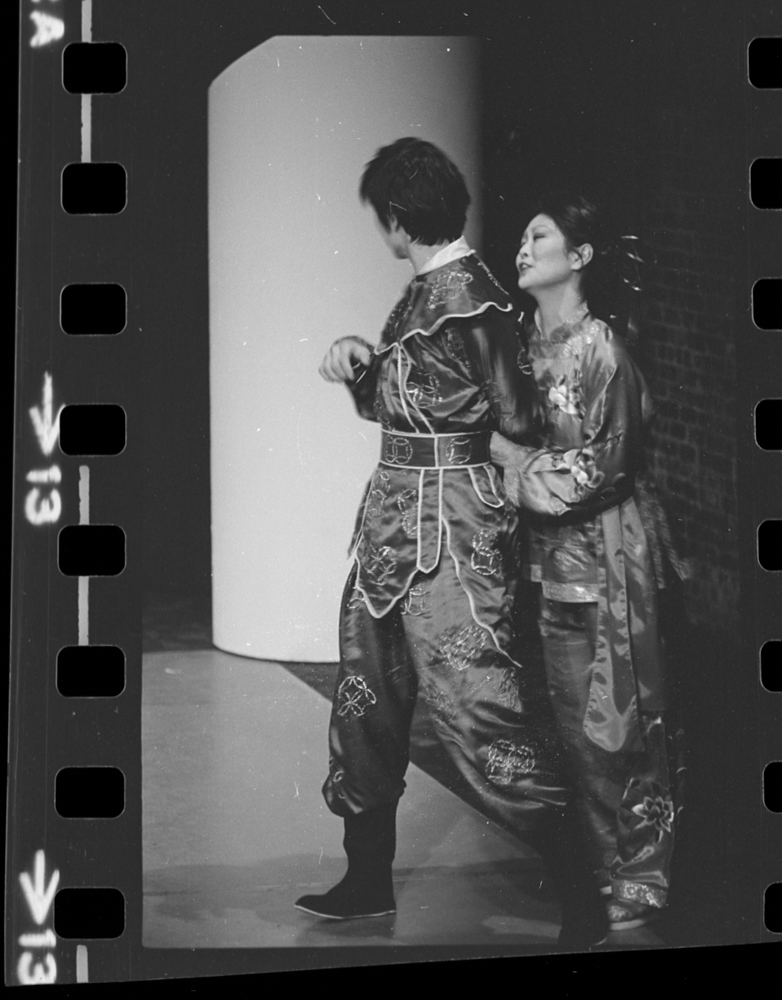
Based on the date of Bocian’s photograph, the stage performance of The Return of the Phoenix that he documented on June 27, 1973, took place before its first official showing, possibly as a dress rehearsal. The cast in these photographs differed from that of the later performances: the Chinese-born dancer and film star Chiang Ching, rather than Lynette Chun, appeared in the role of Yen, and Bocian had also photographed her performing the same role in the rehearsal studio on May 22, 1973.
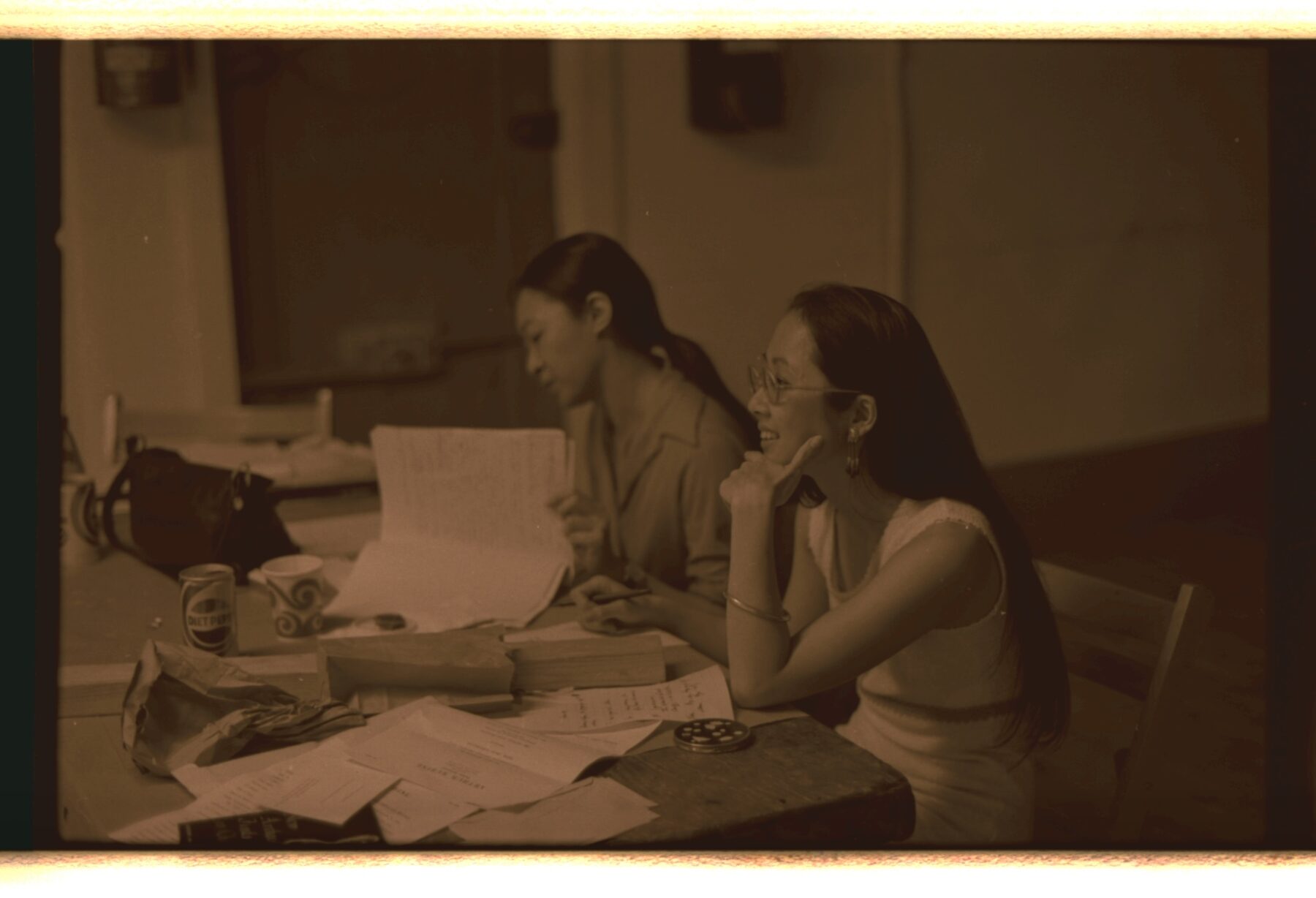
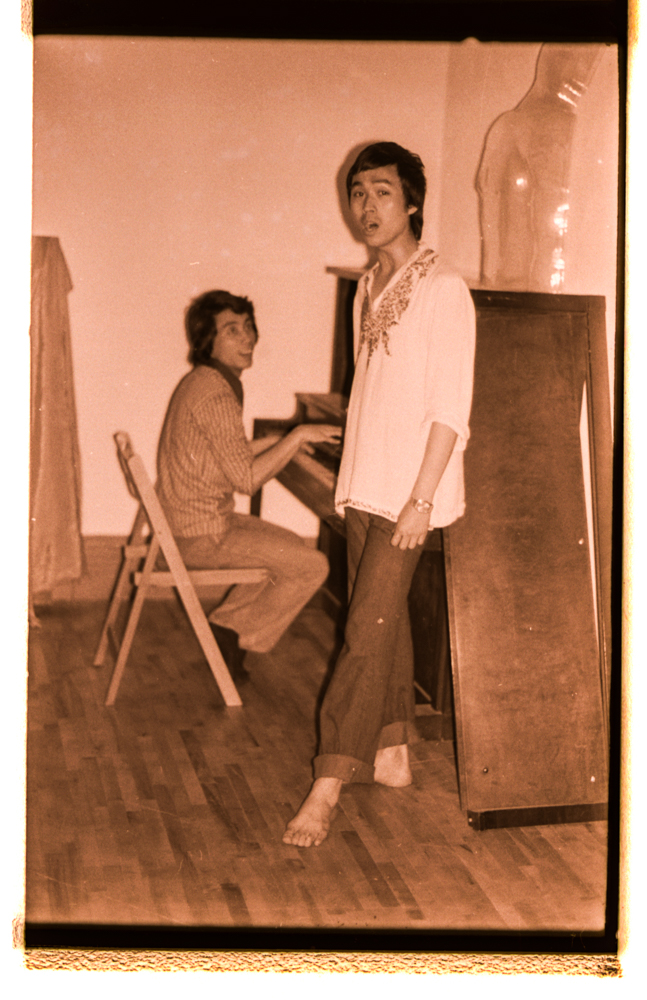
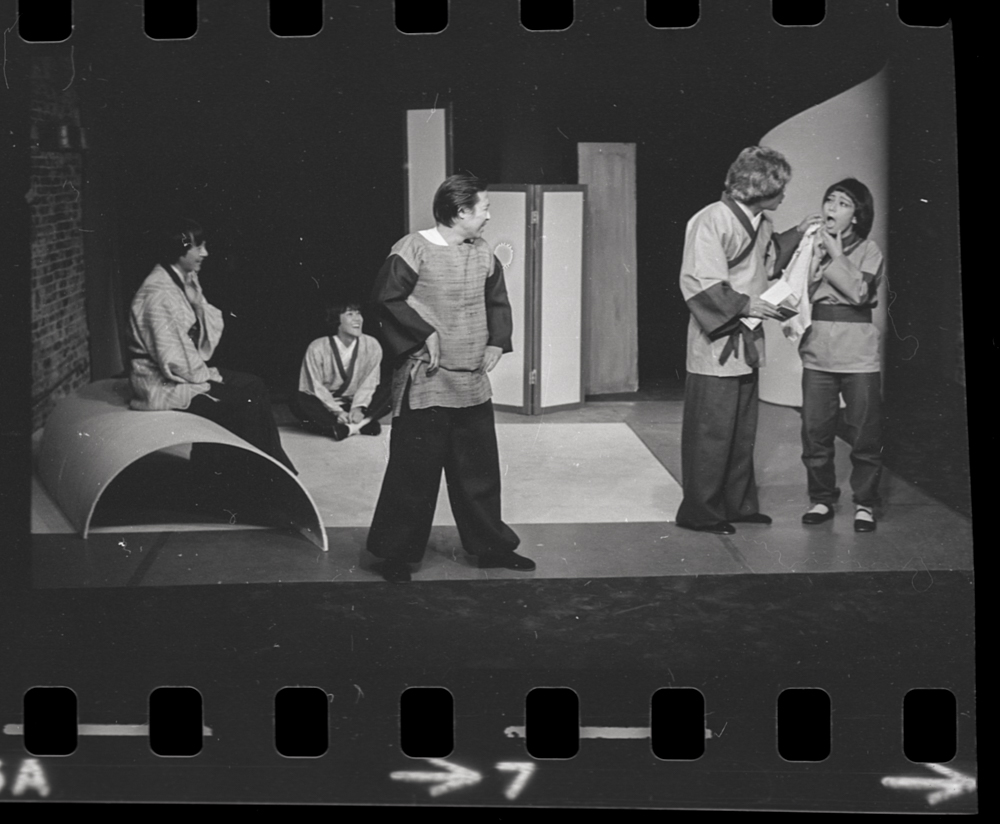
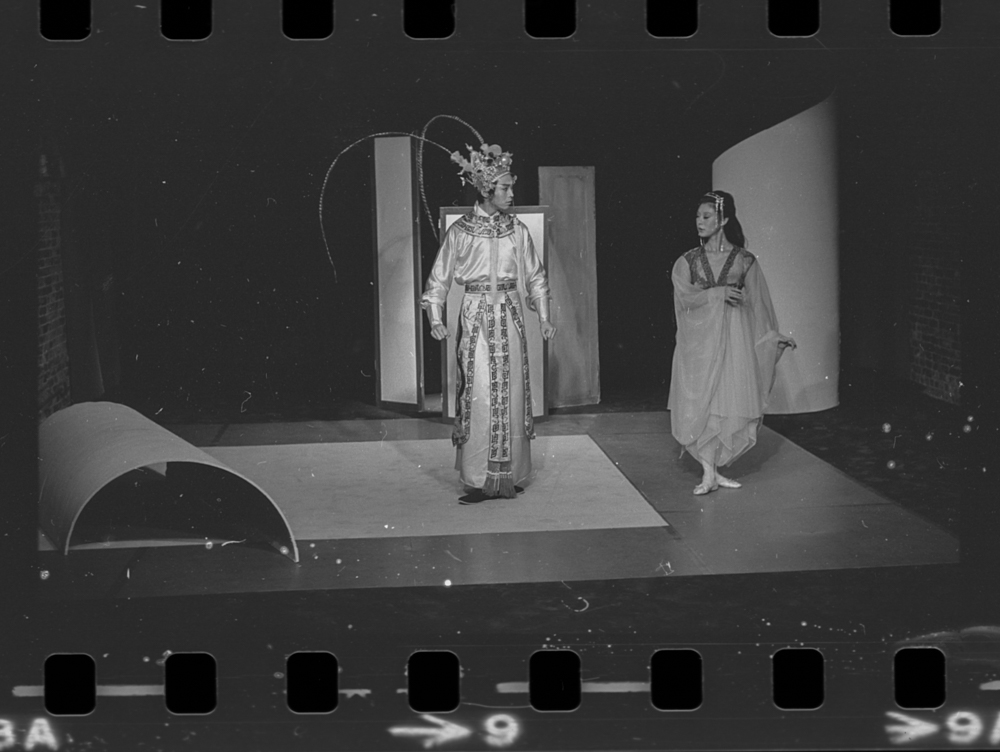
From Bocian’s photographs, it is also evident that even before the successful first run of The Return of the Phoenix, Chan had already begun rehearsals for A Midsummer Night’s Dream in the summer of 1973. Bocian documented a studio rehearsal of the production on June 6, 1973, and later photographed a dress rehearsal on October 2, 1974.
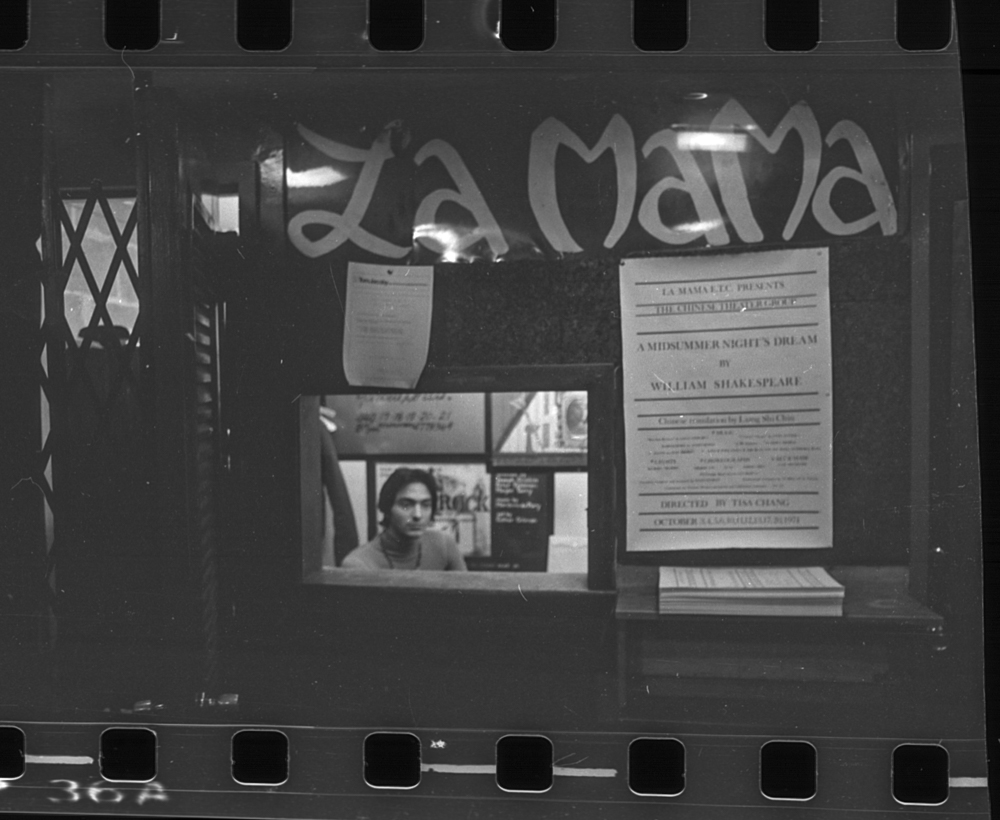
The following day, on October 3, 1974, A Midsummer Night’s Dream began its run at 74a East Fourth Street, continuing through October 20. Adapted from Shakespeare’s original, Chan reimagined the play in the ancient city of Chang’an during the early Zhou dynasty, which she considers a parallel to ancient Greece. The production featured an expanded cast of twelve, dominated by Asian American performers, several of whom had appeared in The Return of the Phoenix: Lu Yu as Theseus/Oberon, Gerrie Lani Miyazaki as Hippolyta/Titania, Tom Matsusaka as Egeus/Snout, Kitty Chen as Hermia, Eddie Chen as Demetrius, Ernest Abuba as Lysander, Pamela Tokunaga as Helena, Peter Yoshida as Bottom, Sab Shimono as Quince, Alvin Lum as Snug/Philostrate, and Sheree Lin as Puck. The production featured both Chinese and English music, composed by Lai Sui Hang and collaborators, which complemented the play’s cross-cultural vision.
Bocian followed and photographed the two programs, The Return of the Phoenix and A Midsummer Night’s Dream, from June 1973 to October 1974. Through his lens, these fleeting moments of creation, the on-stage and behind-the-scenes works of the Chinese Theater Group, were rendered permanent. Bocian’s photographs capture Chang at the inception of her directorial voice, documenting not just the actors on stage but the quiet intensity of a young artist assembling her world. Decades later, as Tisa Chang’s legacy as a pioneering force in Asian American theater was cemented through her acclaimed Pan Asian Repertory Theatre, Bocian’s archive became a precious historical record of the 1970s. It preserves the embryonic energy of 1973 and 1974, offering a window into the workshops where Chang first began to weave together the threads of her heritage, ancient Chinese narrative, and contemporary American stagecraft. In these images, we see not just the past, but the very foundation of a future that Chang would go on to build.